AfD's success in Germany shakes up Italian politics
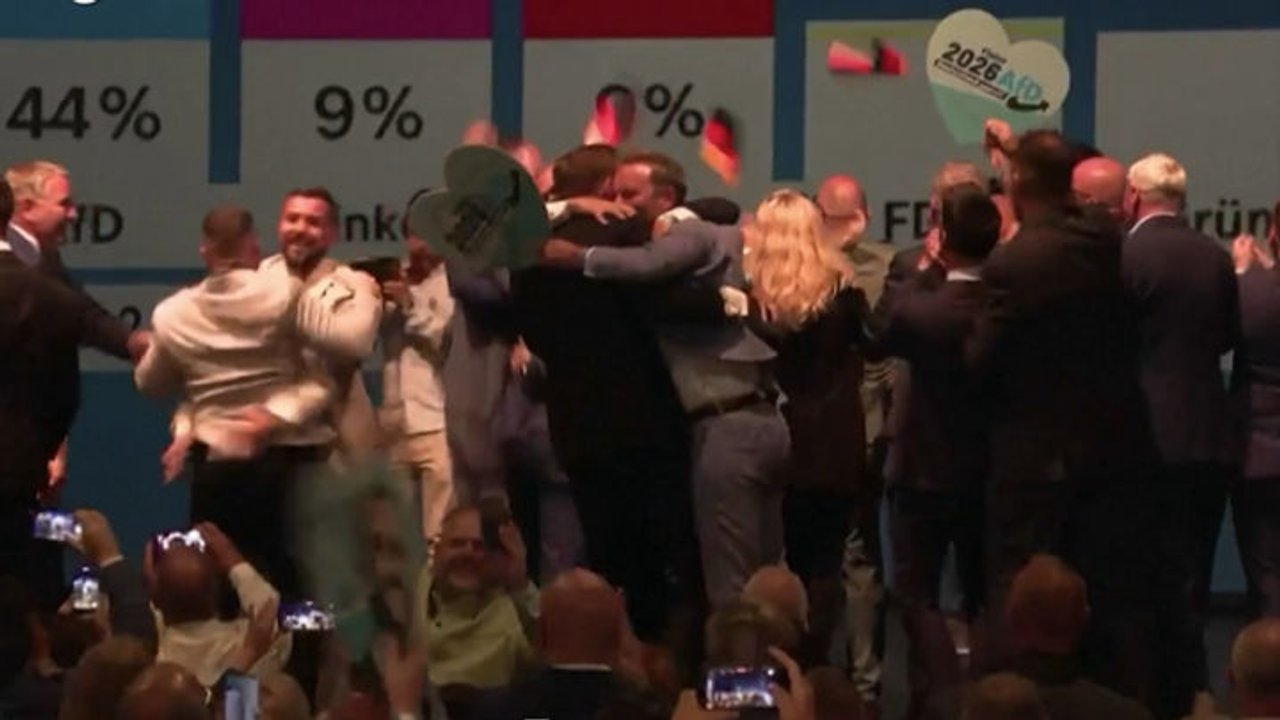
The recent electoral success of the far-right AfD party in Germany has provoked strong reactions across the Italian political landscape. The result, which exceeded the expectations of many observers, is forcing national political forces to deeply reflect on European dynamics and the future balance of the Brussels Parliament.
For Prime Minister Giorgia Meloni, this scenario raises strategic questions. The Italian government is carefully evaluating how to manage alliances ahead of upcoming electoral deadlines, seeking to balance its position within European institutions with the pressures coming from its own electoral base.
At the center of the debate within the Italian right is also the figure of General Roberto Vannacci. His growing popularity and his positions on social and identity issues represent an element of complexity for Brothers of Italy, which must decide how to integrate or manage these demands in an increasingly fragmented political context.
Analysts point out that the German case is not isolated, but reflects widespread discontent in several European countries regarding issues such as immigration and the economy. For Italy, the risk is that of undergoing a polarization of public debate, which could influence the government's choices on crucial dossiers such as the Stability Pact and common migration policies.
In the coming months, the management of these balances will be fundamental for the stability of the executive. Prime Minister Meloni will have to decide whether to maintain a line of moderation or to move closer to the more radical positions that are gaining ground in Europe, a choice that will define Italy's role in the next European political cycle.