International tensions, diplomacy, and messages of peace: a summary of today's news
The war in Ukraine continues to cause civilian casualties and severe damage to infrastructure. A massive Russian attack with missiles and drones has hit several regions of the country, also damaging the railway network. In Kyiv, the situation is dramatic: 16 people died under the rubble of destroyed buildings. President Zelensky denounced the severity of the raids and instructed defense forces to prepare an appropriate response to this new wave of violence.
On the international diplomacy front, significant movements are being recorded in the Middle East and Europe. Saudi Arabia is seeking to improve relations with lran, working on a non-aggression pact among Gulf countries to ensure greater stability in the region. Simultaneously, the Pentagon has decided to halt the deployment of an additional 4,000 NATO troops to Poland, a move that changes the balance of the U.S. military presence on the continent.
Trade relations between the United States and China are also showing signs of opening, although difficult issues remain to be resolved. Beijing has agreed to import American goods such as meat and Boeing aircraft. In exchange, however, the Chinese government aims to renew agreements on customs duties and, above all, to gain access to advanced microprocessors produced by Nvidia, which are fundamental for modern technological development.
In Italy, Pope Francis visited La Sapienza University in Rome, speaking for the first time before a crowd of students. The Pontiff delivered a strong message of peace, praising the Constitution and criticizing military rearmament. Nobel Prize winner in physics Giorgio Parisi also commented on the visit, explaining that the warm welcome for Francis is very different from the controversies that had previously involved Pope Benedict XVI at the same university.
Regarding rights and justice, a U.S. judge has blocked sanctions decided by the White House against Francesca Albanese, the UN delegate for Palestine. The decision was made to protect freedom of speech. Albanese stated she was satisfied with this legal outcome, while reminding that the battle for the defense of human rights is not yet over.
In Italian domestic politics, the debate focuses on reforms and civil rights. Carlo Calenda, leader of Azione, declared that his party will run alone in the next competitions, convinced that there is a large political space in the center. Meanwhile, the government majority is seeking mediation on the issue of the "end of life." Forza Italia warned that, without a shared agreement, it will grant freedom of conscience to its parliamentarians during the floor vote.
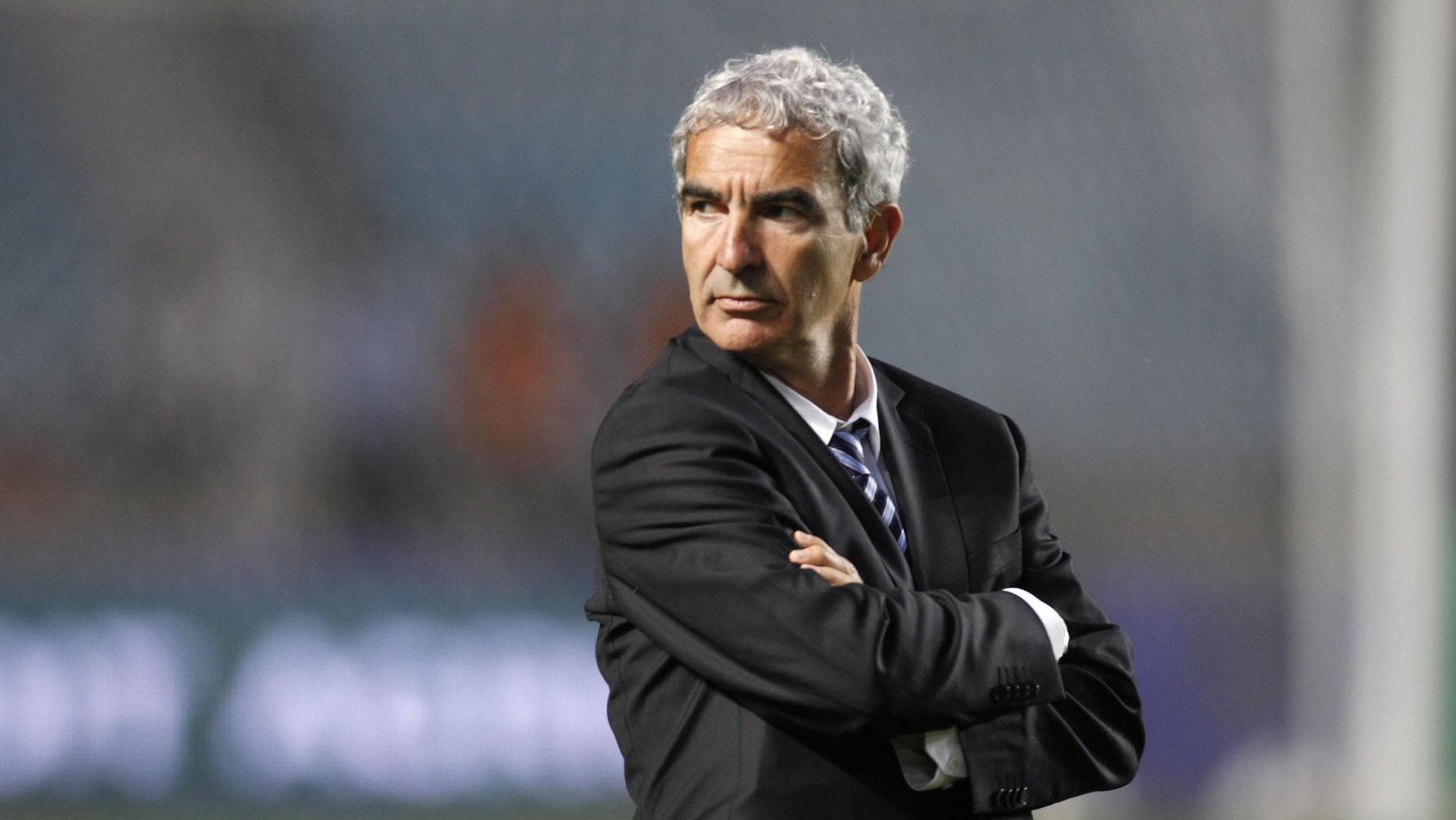
Finally, the focus shifts to stories of leadership and personal memories. In the United Kingdom, attention is growing for Wes Streeting, a charismatic politician who could become the first openly gay British prime minister, despite controversies over some of his political friendships. In France, however, former national team coach Raymond Domenech shared his private diaries for a documentary, but his writings have generated new criticism of his past management of the team.