Artificial intelligence and conflicts: the crucial role of human decisions
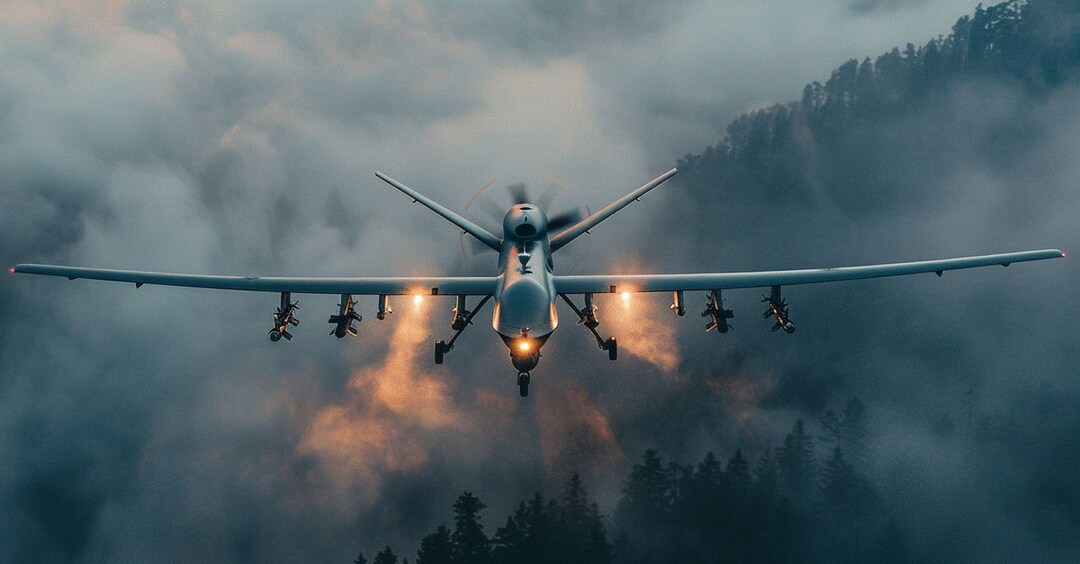
Artificial intelligence and information technologies are rapidly changing the way global conflicts are managed. Today, these advanced tools are capable of analyzing enormous amounts of data in real time, precisely calculating the time required for a tense situation to transform into a military escalation.
The use of drones and automated systems has become a constant reality in critical scenarios such as Ukraine and the Middle East. These technologies allow for the monitoring of the battlefield with a speed impossible for humans, offering military commands detailed forecasts on the possible developments of operations on the ground.
Despite the great computing power of machines, experts emphasize that the final responsibility always remains in the hands of governments. Artificial intelligence can provide scenarios and suggestions, but it cannot replace the political and diplomatic assessment of States, which must decide if and how to intervene in crisis situations.
The international debate is now focused on the need to establish clear rules for the use of these technologies. The challenge for the global community, including Italy and the European Union, is to ensure that technological innovation remains a support tool and does not become an element capable of autonomously deciding the fate of populations involved in conflicts.