The digital revolution in Italy: the role of Open Fiber in connectivity
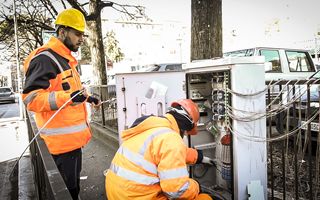
The Rimini Meeting, one of the most important cultural and economic events in Italy, recently hosted a fundamental debate on the country's technological future. At the center of the discussion was the role of Open Fiber, the company committed to creating an ultra-broadband network throughout the national territory.
The main objective of the project is to overcome the so-called "digital divide." Currently, many rural areas and small Italian municipalities suffer from slow internet connections, which makes it difficult to work from home or access the digital services of the public administration. The new fiber-optic network aims to connect millions of homes, schools, and offices, ensuring high and stable browsing speeds.
During the meetings in Rimini, company representatives emphasized that digitalization is not just a technical issue, but a driver for economic development. A fast connection allows small local businesses to compete in global markets and facilitates innovation in the service sector, making Italy more modern and competitive in Europe.
In addition to the economic benefits, the spread of fiber optics aims to improve the quality of life for citizens. Thanks to a more efficient network, it will be possible to enhance telemedicine, improve distance learning, and promote smart working, thereby reducing the need for daily commutes and the environmental impact.
The completion of this infrastructure represents a complex challenge that requires collaboration between private companies, the government, and local administrations. However, technological progress remains an absolute priority for Italy's future, with the goal of ensuring that every citizen, regardless of their geographical location, has access to the opportunities offered by the digital world.