Elections and political strategies: the debate on new alliances in Italy
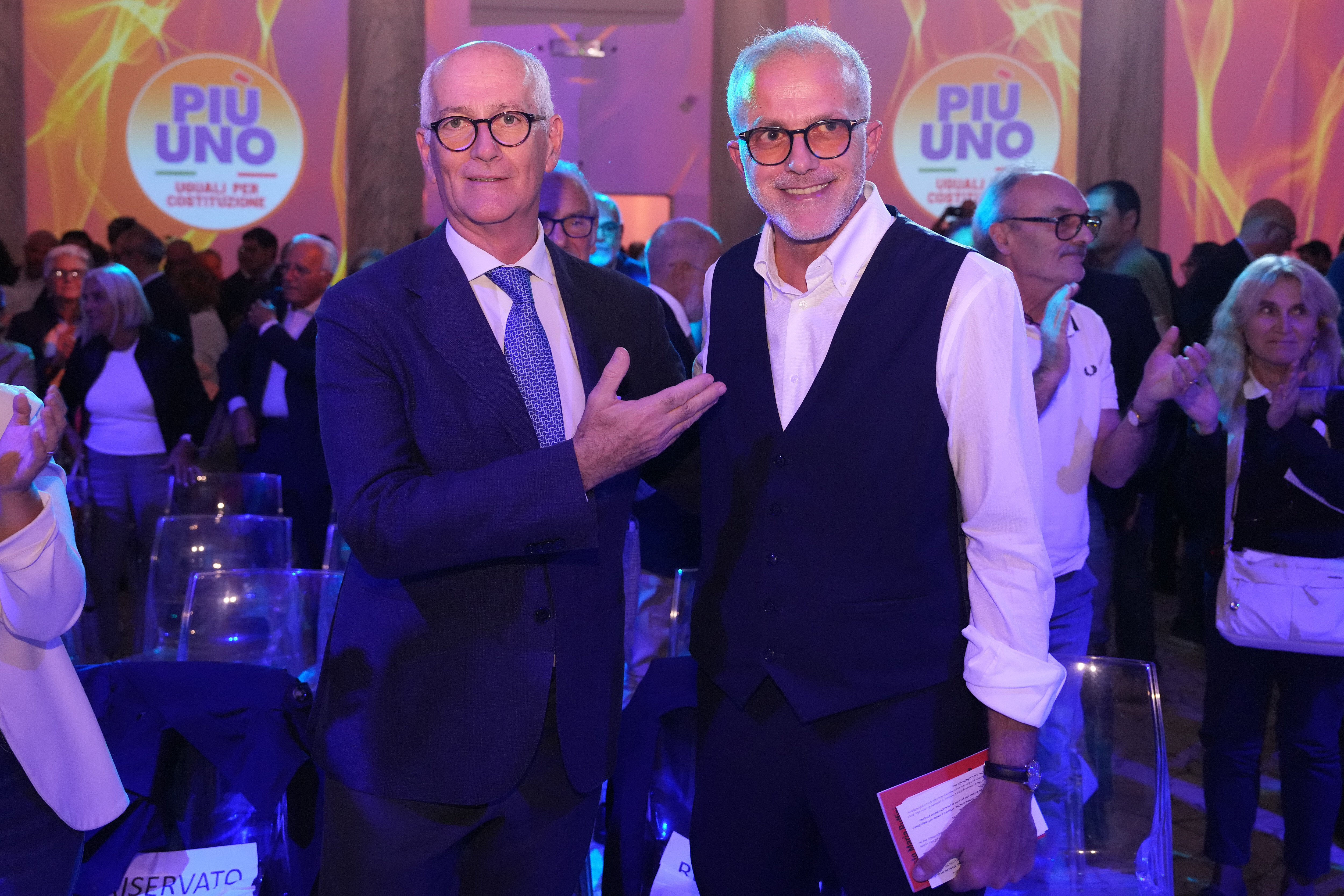
The Italian political landscape is experiencing a phase of great ferment, with parties busy defining their strategies ahead of the upcoming electoral deadlines. At the center of the current debate is the formation of new coalitions and the search for authoritative figures to nominate in order to strengthen their presence in the institutions.
Recently, attention has focused on the maneuvers of the political project known as “Più uno” (Plus One). The main objective of this initiative seems to be to secure a seat for prominent figures from the institutional and civil world, such as Paolo Ruffini and Franco Gabrielli. Their potential candidacy is seen as an attempt to attract a moderate and competent electorate.
Internal party dynamics reflect the need for renewal and the consolidation of consensus. While the majority forces are trying to maintain stability, the opposition is working to build credible alternatives. Choosing candidates with a high-profile administrative or technical background is a common strategy to respond to the demand for greater professionalism in the management of public affairs.
The political confrontation is not just about names, but also about the vision for the country's future. The coming weeks will be decisive in understanding whether these alliances will manage to transform into concrete programs and whether voters will reward these strategic choices. Transparency and dialogue with citizens remain, in any case, the fundamental points for ensuring informed democratic participation.