Hunting for hantavirus: a scientific mission among Argentina's mice
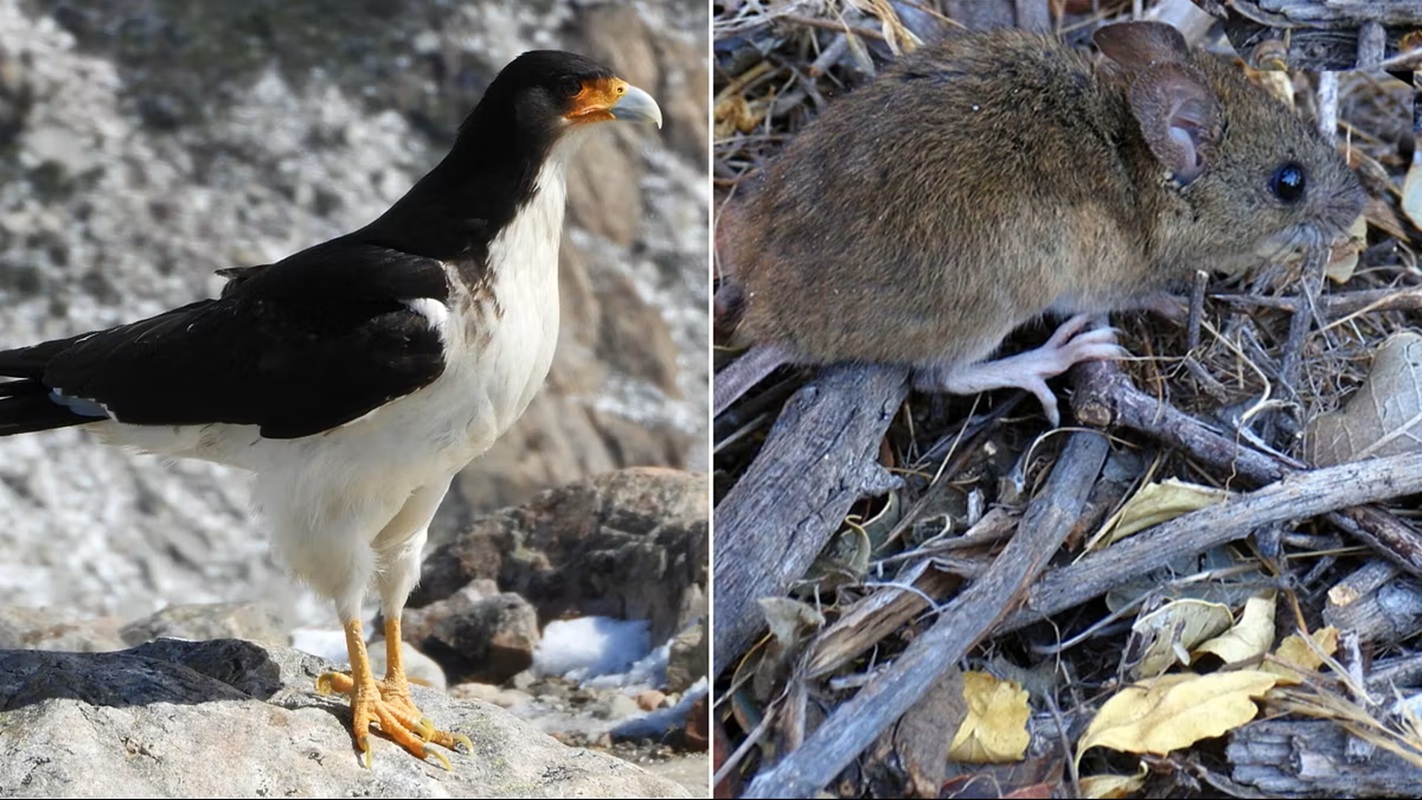
In Argentina, a group of researchers has begun a very important mission in the city of Ushuaia, in the south of the country. The scientists' main objective is to capture and analyze small rodents in the area to study the spread of hantavirus. This virus, which lives in wild animals, can be transmitted to humans and cause serious health problems.
Experts suspect that the so-called "Andean strain" of the virus is present in this region. This variant is monitored with particular attention because its transmission can occur in different ways compared to other strains. Through the study of mice, researchers hope to understand how widespread the virus is among the local fauna and what the real risks are for the population.
The research has become urgent following the report of a possible human infection. Scientists are trying to identify the so-called "patient zero," the first person to have contracted the infection in this area. It is essential to discover the exact location where contact with the infected animal occurred in order to isolate the area and prevent new cases.
To collect the necessary data, the research team uses special traps placed in various natural areas. Once captured, the rodents are carefully examined in the laboratory to check for the presence of the virus in their bodies. This work requires great precision and the use of protective equipment to ensure the safety of the scientists during the analysis.
This scientific mission represents an essential step for public health in the Ushuaia region. Thanks to the results of these analyses, health authorities will be able to better inform citizens and adopt effective prevention measures. Better understanding the behavior of hantavirus is the only way to protect the community and limit the spread of the disease in the future.