Plastic management in Italy: the challenge is not just collecting, but recycling
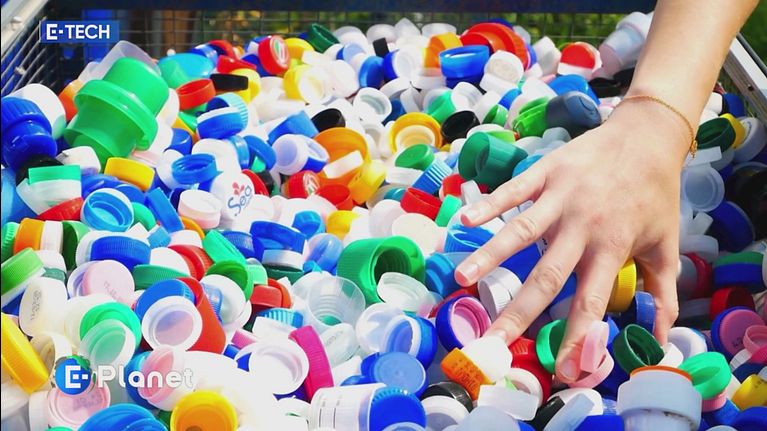
In Italy, plastic waste management remains one of the country's most significant environmental challenges. Although separate waste collection is now a well-established practice for millions of citizens, the real problem has now shifted to the next phase: the actual recycling of the collected materials.
According to recent analyses, collecting plastic is not enough if a correct and sustainable transformation is not guaranteed. The recycling process requires advanced technologies and an industrial system capable of handling large quantities of waste, transforming them into new raw materials rather than letting them accumulate in landfills.
The technology sector, often referred to as "E-Tech," is seeking innovative solutions to improve the efficiency of disposal plants. The goal is to make the life cycle of plastic as circular as possible, reducing environmental impact and limiting the use of new natural resources.
Beyond industrial commitment, the theme of sustainability also touches on culture and scientific research. Initiatives that combine art and science, such as those promoted in unique natural settings like the island of Stromboli, help raise public awareness about the importance of protecting the territory through more responsible behavior.
In conclusion, the future of the environment in Italy depends on the ability to optimize recycling supply chains. Technology plays a fundamental role, but the success of this ecological transition also requires greater awareness from all citizens in correctly managing daily waste.