The future of robotaxis: between technological innovation and new labor challenges
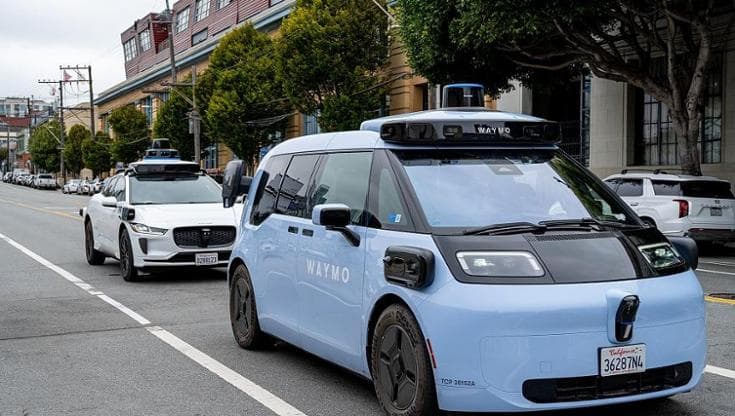
The autonomous driving sector is undergoing a phase of profound transformation. As major technology companies continue to invest billions of euros in the development of so-called "robotaxis," an increasingly heated debate is emerging regarding the consequences of this technology for workers in the sector, particularly human test drivers.
Test drivers play a fundamental role in monitoring autonomous vehicles during road testing phases. However, with the constant improvement of artificial intelligence-based software, many companies are reducing the number of human operators on board. This shift raises concerns regarding road safety and the job security of those who, until now, have ensured the proper functioning of these systems.
In Italy, too, the topic of smart mobility is at the center of attention. Although robotaxis are not yet a widespread reality in Italian cities, the government and local authorities are beginning to discuss the regulations necessary to manage the arrival of driverless vehicles. The goal is to balance technological innovation with the protection of jobs and the safety of citizens.
The technology sector argues that automation will lead to a reduction in road accidents, which are often caused by human error. On the other hand, trade unions and digital ethics experts warn that the transition must be managed with caution, ensuring that technological progress does not come at the expense of the dignity of the workers involved.
In conclusion, the challenge of robotaxis is not only technical, but also social. In the coming years, it will be necessary to find a balance between the adoption of new transport solutions and the protection of human skills, ensuring that technology remains a tool at the service of the community.