US-China Agreements: Boeing and Meat, but Chips are the Main Challenge
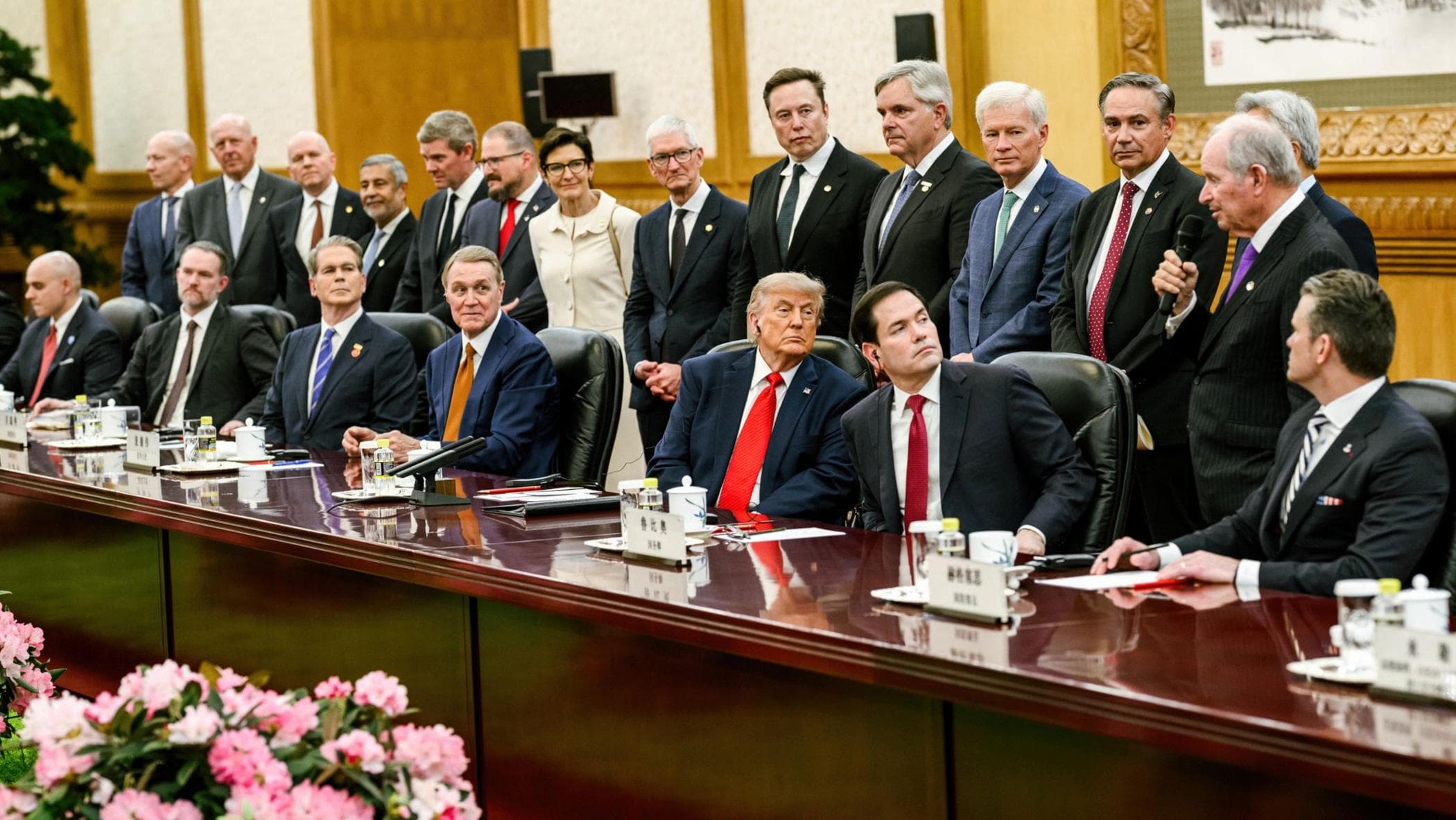
The United States and China have recently reached new trade agreements that could change the economic balance between the two superpowers. Beijing has decided to facilitate the importation of several very important American products, such as meat and aircraft manufactured by the Boeing company. This step represents an attempt to improve diplomatic and commercial relations, which have been strained in recent years.
The opening of the Chinese market to goods from the United States is a positive signal for several industrial sectors. In particular, the purchase of Boeing aircraft and the increase in meat imports will help balance trade between the two countries. These decisions have been met with great interest by economic analysts, as they indicate a willingness for dialogue on the part of the Chinese government.
However, behind these agreements on consumer goods and transport lies a much more complex game regarding high technology. China is, in fact, very interested in obtaining microprocessors produced by the American company Nvidia. These chips are fundamental components for the development of artificial intelligence and other modern technologies, sectors in which both countries want to maintain global leadership.
In addition to the technological issue, Beijing is aiming for the renewal of agreements on customs duties. China hopes that, by agreeing to purchase more American products, Washington may decide to reduce taxes on Chinese exports. This negotiation is extremely delicate, as it involves not only the economy but also national security and global geopolitical competition.
In conclusion, although the agreements on meat and aircraft are a significant step forward, the real challenge between the US and China remains in the semiconductor sector. The future of trade relations between the two nations will depend on the ability to find a difficult compromise on tariffs and access to the most sophisticated electronic components, which today represent the heart of the digital economy.