Tennis: When Matches End in the Middle of the Night
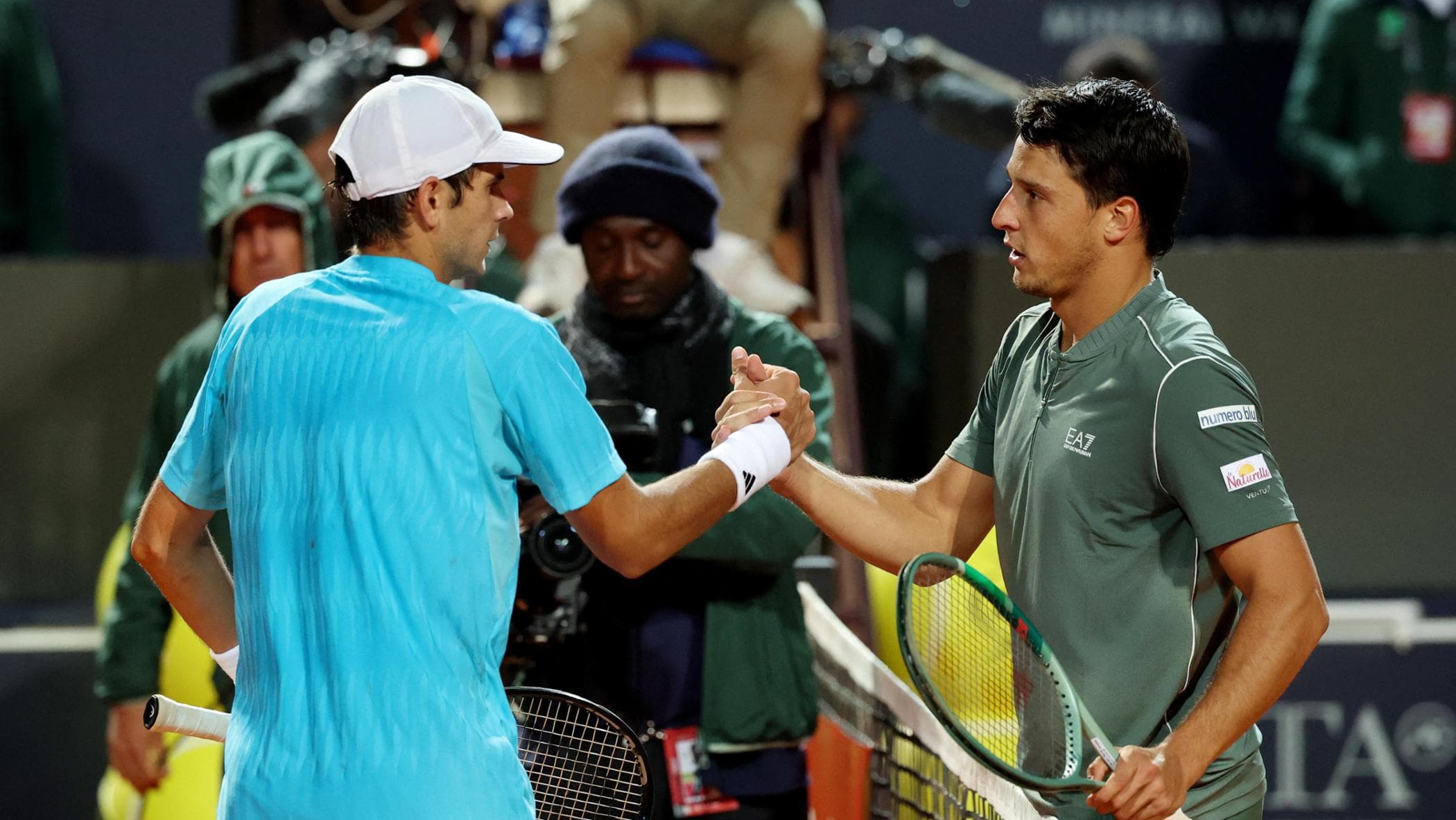
In the world of professional tennis, it is becoming increasingly common to see matches ending at incredible hours. Recently, tennis players Rafael Jodar and Luciano Darderi caught the public's attention not only for their talent, but for the late hour at which they concluded their match. This phenomenon, now dubbed "Dracula-hour tennis," is sparking discussion among fans and professionals.
The match between the Spaniard Jodar and the Italian-Argentine Darderi lasted many hours, forcing the players, referees, and the few remaining spectators to stay on court until late at night. This is not an isolated case, as daily schedules in major international tournaments are often very dense. If previous matches last longer than expected, evening matches start with significant delays.
Recent tennis history recalls other famous cases of true late-night marathons. One of the most striking examples is the match between Andy Murray and Thanasi Kokkinakis at the Australian Open in Melbourne. On that occasion, the two athletes finished playing at 4:05 AM, in an almost empty stadium. These episodes often raise controversy regarding tournament management and respect for the athletes.
Playing at such extreme hours presents several technical and physical difficulties. For tennis players, muscle recovery becomes very complicated, as the normal sleep rhythm is abruptly interrupted. Also for stadium staff, such as ball kids and television technicians, these situations represent an exhausting and unpredictable workload.
The debate on the need to change scheduling rules in tennis continues to grow. Many trade associations are calling for a maximum time beyond which it is no longer possible to start a new match. The main objective is to protect the physical well-being of the protagonists and ensure that the public can enjoy the show at more humane and accessible hours.