Italian economy: challenges between inflation and GDP growth
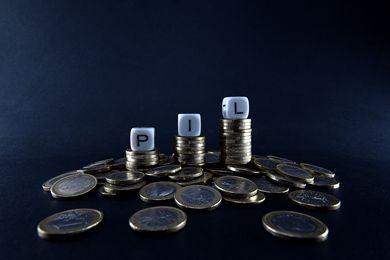
The Italian economy is currently facing a period of intense scrutiny from financial analysts. In recent weeks, the debate has focused primarily on the relationship between inflation, which continues to affect household purchasing power, and Gross Domestic Product (GDP) growth, which is showing signs of a slowdown.
The inflation rate remains one of the main concerns for both the government and businesses. Despite recent interventions by the European Central Bank to stabilize prices, the cost of living in Italy remains high. This phenomenon directly impacts private consumption, as Italian families have fewer resources available for non-essential spending.
At the same time, GDP data indicate moderate growth. Experts emphasize that to maintain a steady pace of development, the country must focus more on structural investments and technological innovation. Without a decisive push in these sectors, the risk is to remain trapped in a phase of economic stagnation that particularly penalizes small and medium-sized enterprises.
The government is evaluating various strategies to support the recovery, attempting to balance the need to reduce public debt with the need to finance strategic projects. The main challenge remains making the Italian economic system more competitive internationally, within a global context characterized by great uncertainty.
In conclusion, the Italian economic situation requires caution and long-term planning. Constant monitoring of macroeconomic data will be fundamental in the coming months to understand whether the measures adopted will be sufficient to ensure lasting stability and solid economic growth for the entire country.