Putin in Kazakhstan: Alliance Strengthens, but the Armenia Problem Remains
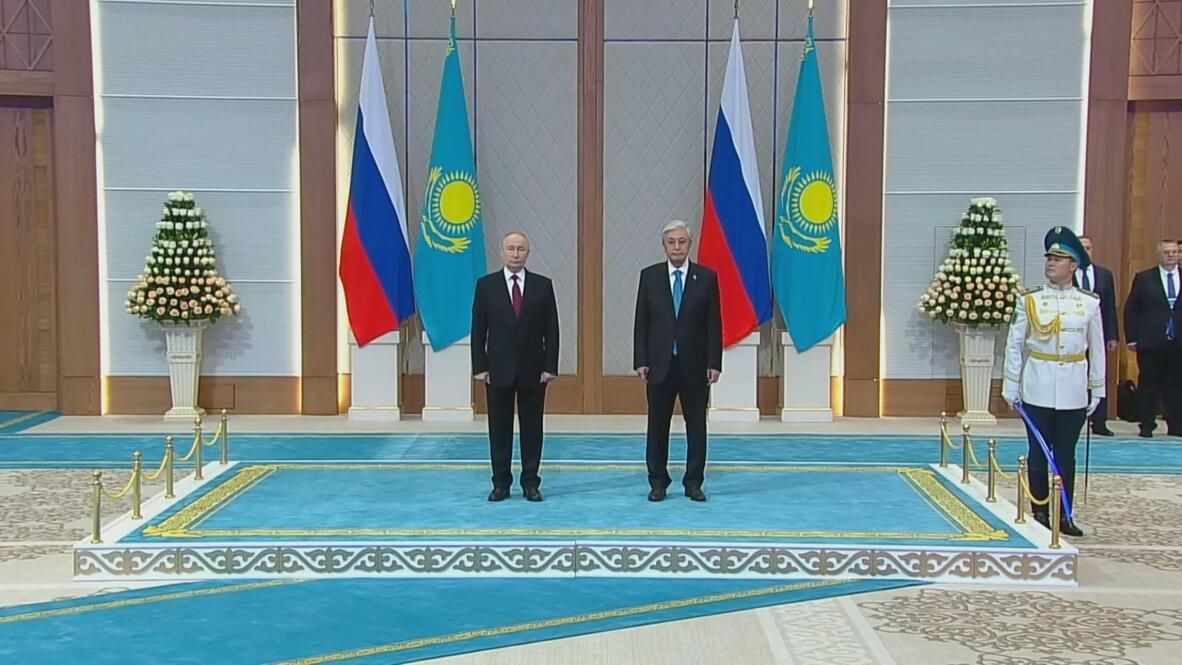
Russian President Vladimir Putin has made an official visit to Kazakhstan to meet his counterpart, Kassym-Jomart Tokayev. This meeting is considered very important for international politics, as it aims to strengthen ties between Russia and its Central Asian neighbors at a time of major global changes and geopolitical tensions.
During the visit, the two leaders primarily discussed economic cooperation and regional security. Several trade agreements were signed, especially in the energy and transport infrastructure sectors. Kazakhstan thus confirms its status as a fundamental strategic partner for Moscow, ensuring stability along Russian borders and fostering trade development in the Eurasian region.
However, the diplomatic situation presents some challenges. A central point of the debate was the so-called "Armenia knot." In recent months, the government in Yerevan has progressively distanced itself from the Collective Security Treaty Organization (CSTO), the military alliance led by Russia. This growing distance creates uncertainty and concern for the future of integration among the former Soviet republics.
Putin's visit also serves to demonstrate that Russia maintains strong influence in the area, despite Western sanctions and international diplomatic difficulties. Strengthening the axis with Kazakhstan allows for the consolidation of a more solid economic bloc, capable of actively collaborating with other major powers in the region, such as China.
In conclusion, the trip to Kazakhstan has shown two different aspects of Russian foreign policy: on one hand, the solid collaboration with historical partners like Astana; on the other, the difficulties in managing relationships with countries seeking new diplomatic paths, such as Armenia. The future of Eurasian stability will depend on the ability of these states to find a balance between their national interests and regional alliances.