Italian pasta: a cultural symbol worth 0.6% of the national GDP
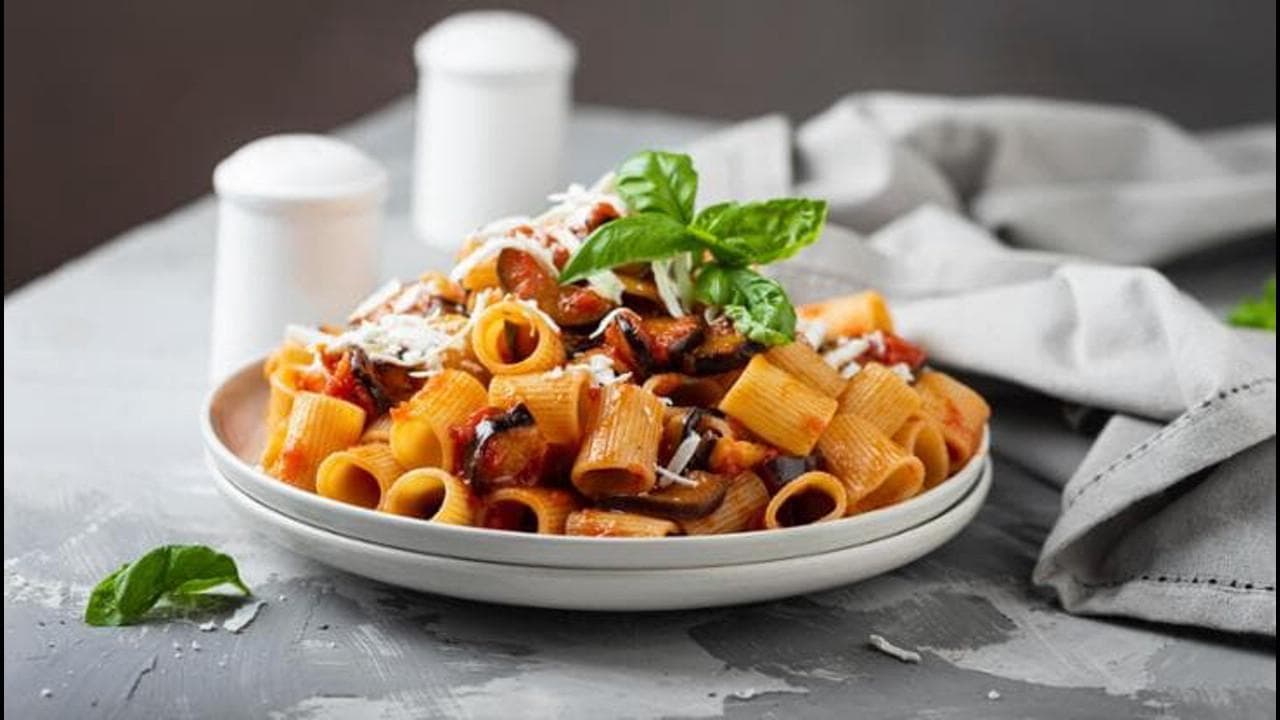
Pasta is not only the iconic dish of Italian cuisine worldwide, but it also represents a fundamental pillar of the country's economy. According to recent analyses, the entire supply chain linked to pasta production contributes 0.6% to Italy's Gross Domestic Product (GDP), confirming the sector as one of the driving forces of the national production system.
The success of this food product is linked to a long artisanal tradition that has transformed into a modern and technological industry. Italian companies, global leaders in production and export, manage to combine the quality of raw materials with cutting-edge production processes. This balance allows "Made in Italy" food products to maintain a prestigious position in international markets.
Beyond its direct economic value, pasta production supports thousands of jobs throughout the entire supply chain. From the cultivation of durum wheat in the Italian countryside to distribution in supermarkets around the world, the sector involves farmers, millers, pasta makers, and logistics companies. It is a complex ecosystem that ensures stability for numerous Italian families.
Despite the challenges related to climate change and rising raw material costs, the sector continues to show a great capacity for adaptation. Global demand for Italian pasta remains high, driven by the growing attention of foreign consumers toward the Mediterranean diet and the certified quality of domestic products.
In conclusion, pasta confirms itself as much more than just a simple food on Italian tables. It represents a strategic asset for the national economy, capable of combining the protection of local traditions with a strong projection toward global trade, thus ensuring wealth and employment for the future of the country.