AI and the Future of Work: Learning "How to Coexist with Technology" from 500 Years of History
Recently, artificial intelligence (AI) has been spreading rapidly. Many people are anxious that AI might take their jobs. Meanwhile, many others dismiss AI, thinking it is faster to do the work themselves. However, looking back at history shows that such mindsets carry significant risks.
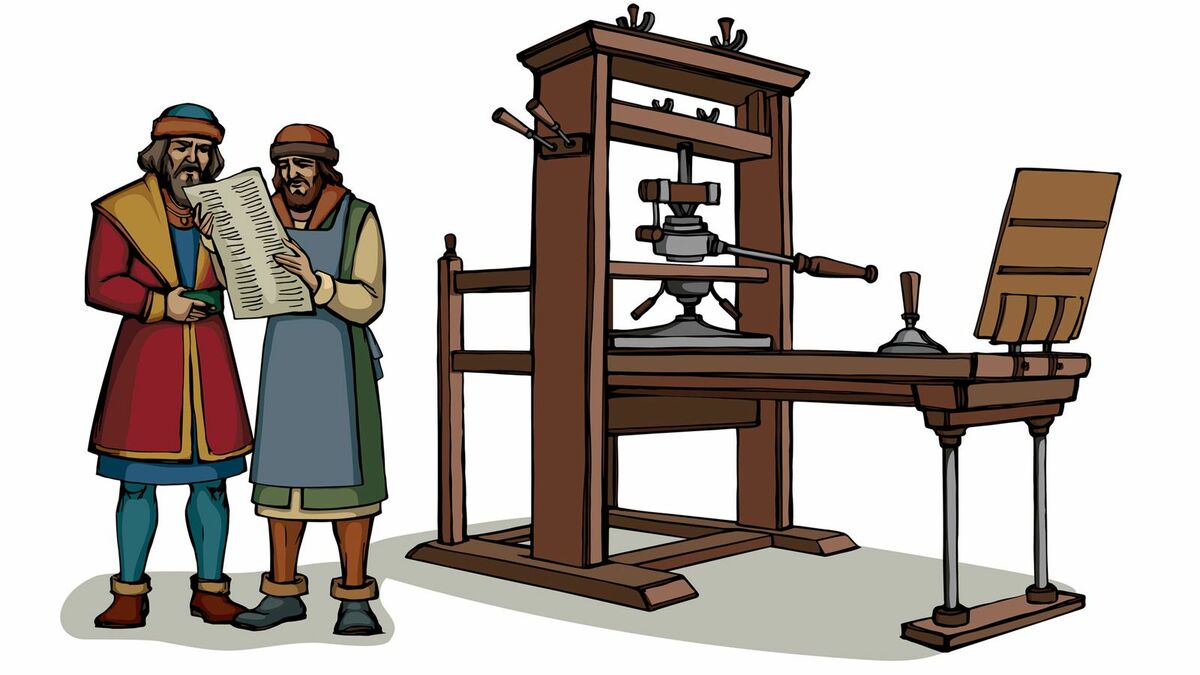
About 500 years ago, the printing press emerged in Europe. Until then, books were hand-copied character by character by individuals known as "scribes." When the printing press was first invented, these craftsmen mocked the new technology, claiming that machine-made books were of poor quality and that writing by hand was more accurate.
However, printing technology evolved rapidly, enabling the cheap and fast production of books in large quantities. Consequently, the craftsmen who clung to manual handwriting were left behind by the changing times and eventually faded away. This is a historical example of how new technology "displaced" old ways of working.
Modern AI serves a similar role to the printing press of the past. AI takes over repetitive tasks that are burdensome for humans and processes vast amounts of data. New technology exists to shoulder our "burdens." Rather than rejecting AI, the key lies in how we utilize it.
History teaches us that technological progress cannot be stopped. What matters is not fearing AI as a rival, but embracing it as a tool to expand our own capabilities. Adopting an attitude of moving forward alongside new technology will be the key to thriving in the coming era.