Quantifying Health Promotion in Schools: Evaluation Indicators Developed for 'Health Promoting Schools'
The concept of "Health Promoting Schools" (HPS), advocated by the World Health Organization (WHO), is gaining attention in the field of Japanese school education. HPS refers to activities in which the entire school works together to promote the health of students and staff. Until now, it has been considered difficult to objectively measure how healthy a school's environment truly is.
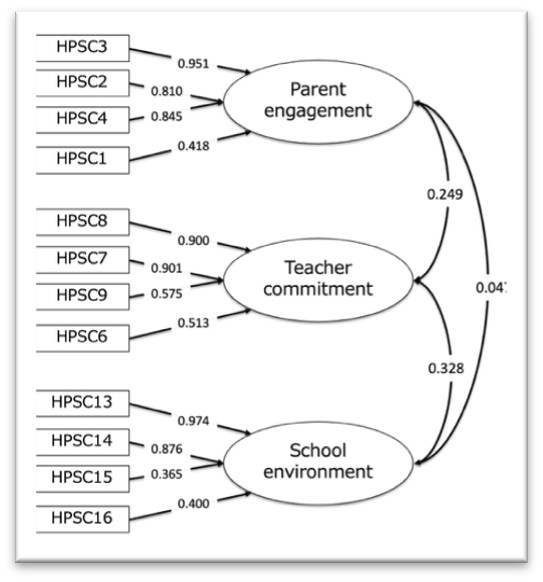
A research group at the University of the Ryukyus has now created a new evaluation indicator to quantify the culture of health promotion in Japanese schools. This indicator, called the "Japanese version of the Health Promoting School Culture Scale," is designed to assess the extent to which a school possesses a culture that values health.
To verify the reliability of this scale, the research team conducted surveys in a large number of schools. The results confirmed that it can accurately evaluate each school's efforts toward health promotion, including educational environments and health-related activities. This will enable individual schools to identify their own challenges and gain insights into creating better environments.
Moving forward, it is expected that this evaluation indicator will further advance health promotion initiatives in schools across the country. Fostering a culture where schools prioritize health is extremely important for the mental and physical growth of students. This research will significantly contribute to creating school environments where children in Japan can live healthier lives.