Latest Gene Therapy Technologies: Advances and Future Challenges in Hematopoietic Stem Cell Treatments
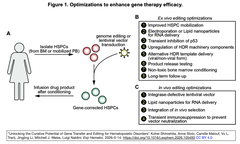
In recent years, a new technology called "gene therapy" has been attracting attention in the medical field. In particular, treatment methods using "hematopoietic stem and progenitor cells (HSPCs)," which are the source of blood production, are being looked to as a new hope for curing intractable diseases. Global experts have held discussions on the current status and future of this technology.
Gene therapy using hematopoietic stem cells aims to cure diseases at their root by making genetic modifications to a patient's own cells. It is believed that this technology will enable more effective treatments for blood and immune disorders that have previously been difficult to treat.
However, there are still many challenges that must be overcome before this technology can be used in actual hospitals. Experts are continuing to carefully examine how to improve the safety of these treatments and what systems are needed to deliver them to more patients.
During these discussions, the progress of the latest gene-editing technologies was highlighted. While technology is evolving daily, achieving both high precision and safety is essential to advance to clinical application—that is, the stage of actually performing treatments on patients.
Gene therapy is expected to play an important role in Japanese medicine in the future. As research by experts progresses, it is hoped that many patients will be able to receive this treatment with peace of mind in the years to come.