Quantifying Health Promotion in Schools: Evaluation Indicators Developed for 'Health-Promoting Schools'
The concept of "Health-Promoting Schools" (HPS), advocated by the World Health Organization (WHO), is gaining attention in Japanese educational settings. HPS refers to initiatives in which the entire school works together to promote the health of students and staff. Until now, it has been considered difficult to objectively measure how healthy a school environment is.
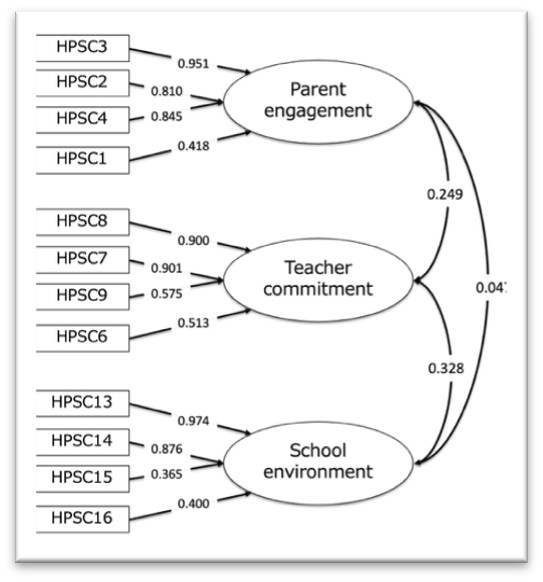
A research group including the University of the Ryukyus has developed the "Japanese Version of the Health-Promoting School Culture Scale" to evaluate these HPS initiatives. By using this indicator, it becomes possible to "visualize" the health-promoting culture embedded within a school as numerical data.
The research analyzed how a school's educational content, environment, and health services affect student health. After verifying the reliability and validity of this scale, it was confirmed that it can be effectively utilized in Japanese school settings.
Moving forward, it is expected that schools will use this indicator to identify their own health-related challenges and help create better educational environments. Cultivating a culture where schools think about health is extremely important for the physical and mental growth of students.
With the spread of this new evaluation method, it is hoped that more systematic and effective health promotion will progress in schools across Japan. As a new standard for health management in educational settings, its future application is being closely watched.