PFAS Contamination in Okinawa: U.S. Military Intentions and Japanese Government Response Revealed
New facts have emerged regarding the water contamination caused by per- and polyfluoroalkyl substances (PFAS), a growing issue in Okinawa Prefecture. It has been revealed that while the U.S. military had indicated its willingness to allow the disclosure of information regarding the contamination, the Japanese government chose not to release it.
PFAS are chemical substances that are difficult to break down in the natural environment and are feared to have adverse effects on the human body. In Okinawa, high concentrations of PFAS have been detected in rivers and spring water near U.S. military bases, spreading anxiety among residents regarding potential health damage.
According to reports, the U.S. military had conveyed to the Japanese government that there was no issue with making the information about the contamination public. However, the Japanese government opted not to disclose the information. This response has sparked debate over the government's transparency and its accountability to the local residents.
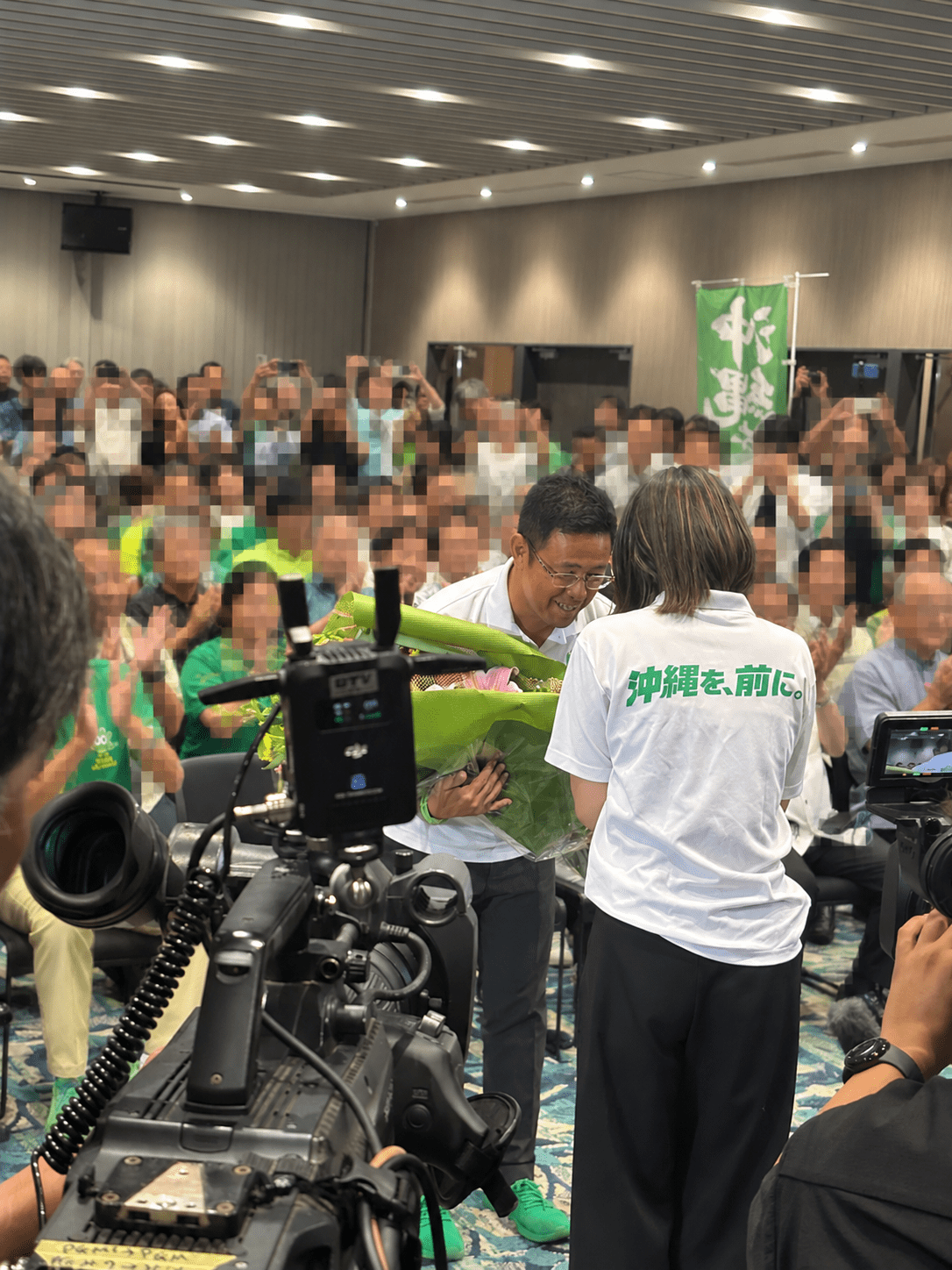
This issue drew significant attention during the Okinawa gubernatorial election. The fact that such critical information was not shared behind the scenes of the election has come as a shock to many residents of the prefecture. Moving forward, attention is focused on how the national government will address this issue and how it intends to handle information disclosure.
PFAS contamination is a concern not only in Okinawa but also in areas surrounding military bases across Japan. To protect the health and safety of the public, the government is being urged to provide prompt and thorough information disclosure and to take concrete measures toward identifying the sources of the contamination.