Japanese research team succeeds in sex-reversing male mice using gene editing
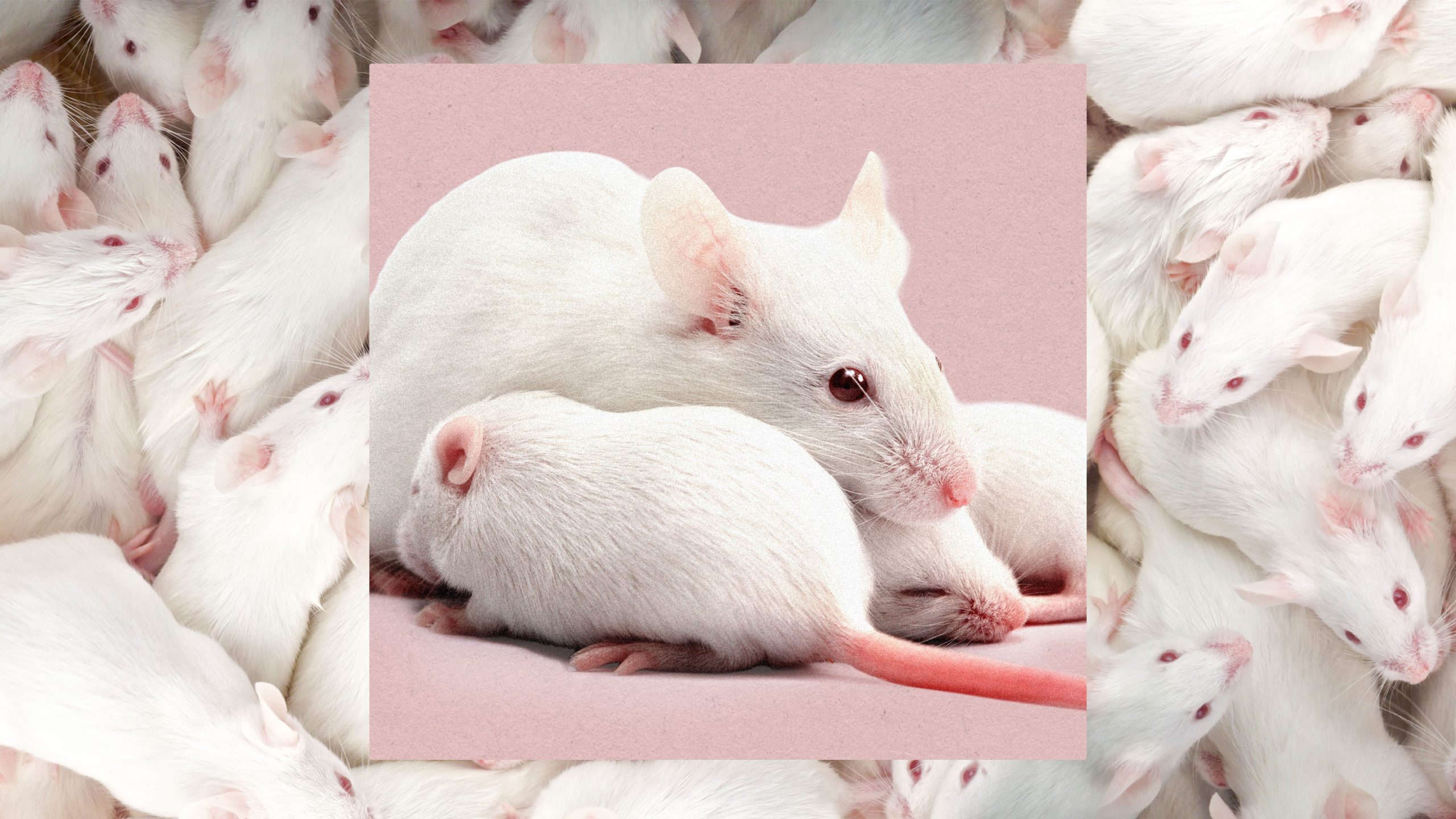
A Japanese research team has successfully converted male mice into females for the first time using gene-editing technology. This study is attracting attention as a highly significant achievement in elucidating the mechanisms that determine biological sex.
The research team utilized a new method called "Y-CUT," which applies the latest gene-editing technology known as "CRISPR." By using this technique to precisely remove the genes necessary for becoming male, it became possible to intentionally transform male mouse embryos into females.
Furthermore, a major feature of this research is the ability to create female clones even from cryopreserved cells. As a result, this technology is expected to have a wide range of applications in the future, such as the conservation of endangered species and the breeding of livestock.
This success is a groundbreaking event that overturns conventional wisdom in biology. Moving forward, careful discussion is required regarding how this technology might affect humans and other animals, as well as how to resolve the associated ethical challenges.