The Debate over History: How Europe Remembers the Second World War
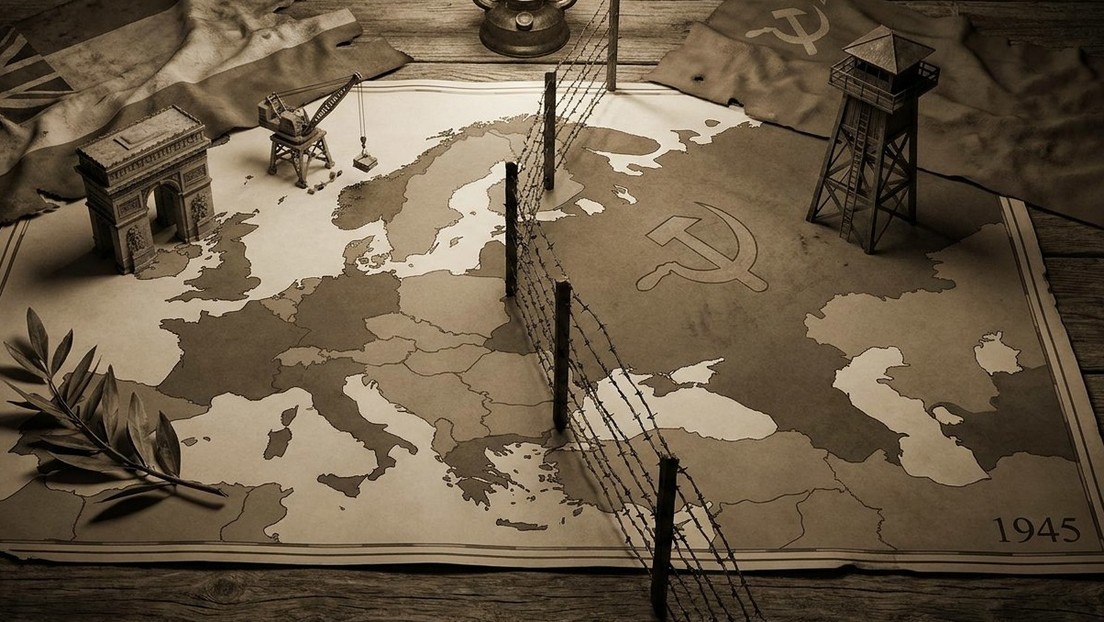
Almost 80 years after the end of the Second World War in May 1945, the way this conflict is thought about in Europe is changing. What was previously considered an established historical fact is now being discussed anew in many countries. This development shows that the memory of the past is not static, but changes over time.
A central theme in this current debate is the so-called "equivalence." This often involves the comparison of different political systems and ideologies of the 20th century. In some European states, there are efforts to re-evaluate the outcomes of the war and the roles of the powers involved. This frequently leads to discussions about how history should be presented in textbooks and at official commemorations.
Experts observe that history is increasingly being used as a tool in modern politics. Symbols and historical events often serve to strengthen current political positions. The more time passes since 1945, the stronger the desire seems to be in some regions to revise the traditional view of the post-war order. This also has repercussions for diplomatic relations between European neighbors.
In summary, it can be said that the processing of the Second World War in Europe remains a sensitive and complex issue. The different perspectives on the past show how important history is for the continent's identity today. It remains a major challenge to find a common path of remembrance while the political landscape continues to evolve.