Climate Change Increases Risk of Infectious Diseases in Malaysia
Published
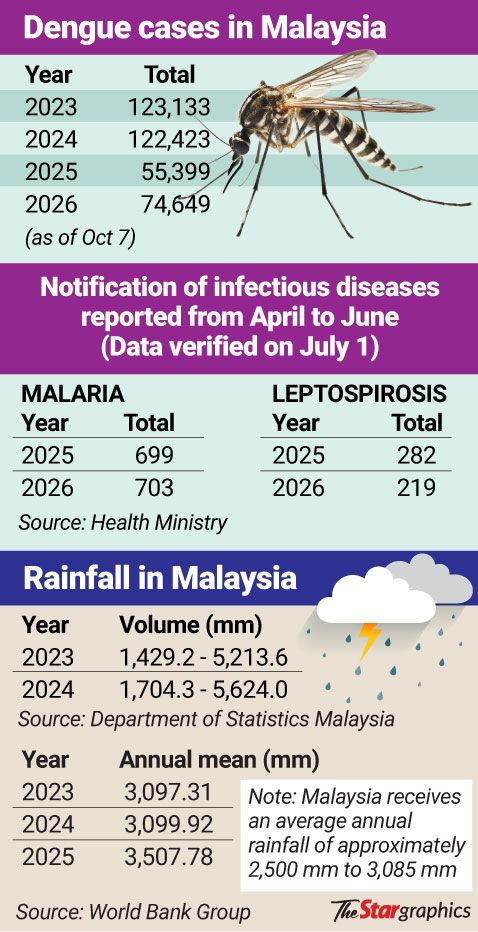
Kuala Lumpur is currently facing increasingly worrying health challenges due to unpredictable weather changes. Rising global temperatures, heavier rainfall, as well as incidents of flooding and haze have created an environment conducive to the breeding of disease-carrying vectors.
These extreme weather conditions are a major factor in the rise of infectious disease cases, particularly dengue fever. When heavy rain occurs, stagnant water that forms in the surrounding areas becomes an ideal breeding ground for Aedes mosquitoes. Furthermore, warmer temperatures accelerate the life cycle of these mosquitoes.
In addition to dengue, health experts have also warned about the risks of other diseases related to water and air quality, which are affected by floods and haze. Respiratory problems and waterborne diseases often become a primary concern for health authorities when natural disasters such as floods strike the country.
As a preventive measure, the public is advised to always maintain the cleanliness of their home surroundings to avoid mosquito breeding sites. The Ministry of Health continues to monitor the situation closely to ensure public health remains protected amidst the increasingly evident threat of climate change.
Sources: The Star
More Malaysia news
- Malaysian Stock Market Opens Higher After US Tech Stocks Recover
- Analysts: Malaysia's Tech Sector Faces Sentiment Decline, Not Earnings Impact
- Skilled Workforce Essential for Malaysia's Digital Transformation
- Malaysia Outlines Plans to Strengthen Digital Security and Improve Internet Connectivity
- Malaysia Targets One Million Affordable Homes Through Modular Construction Technology
- Two New Political Parties Emerge Amid Political Divisions in Malaysia
- Sabah PH Chairman Urges Parties Not to Use Religion as a Political Weapon
- Malaysia Wants Smoother Medical Claims Process