Historic agreement to protect Rio Grande water in the United States
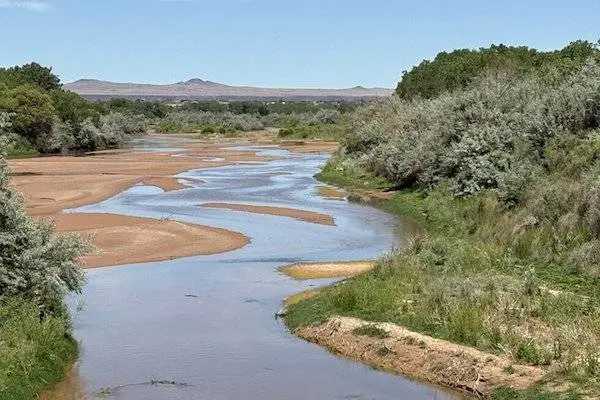
The Supreme Court of the United States has approved a historic agreement to regulate water use in the Rio Grande. This decision seeks to limit groundwater pumping in the border region. The main objective of this measure is to ensure that the water supply is sufficient for all communities that depend on this natural resource.
For a long time, the excessive use of wells near the river has generated tensions between different states. When too much water is extracted from the subsoil, the flow of the Rio Grande decreases, which directly affects agriculture and human consumption. This problem has become more critical in recent years due to prolonged droughts in the area.
The new agreement establishes strict rules to control the amount of water that can be extracted from the ground. The states of Texas and New Mexico, which share access to the river, have accepted these conditions to avoid major legal conflicts. The Supreme Court determined that these limitations are essential to maintain an ecological and social balance in the region.
Environmental experts consider this decision a fundamental step in addressing water scarcity in the southern United States. By protecting groundwater, it is guaranteed that the Rio Grande can continue to flow steadily. This water management model could serve as an example for other regions facing similar problems with their natural resources.
In conclusion, the Supreme Court's intervention represents a victory for long-term sustainability. With these new regulations, it is expected to improve water distribution and protect the future of millions of people living near the Rio Grande. Cooperation between the states will be key for this agreement to function correctly in the coming years.