Chili: The Heart of Mexico's Identity and Culture
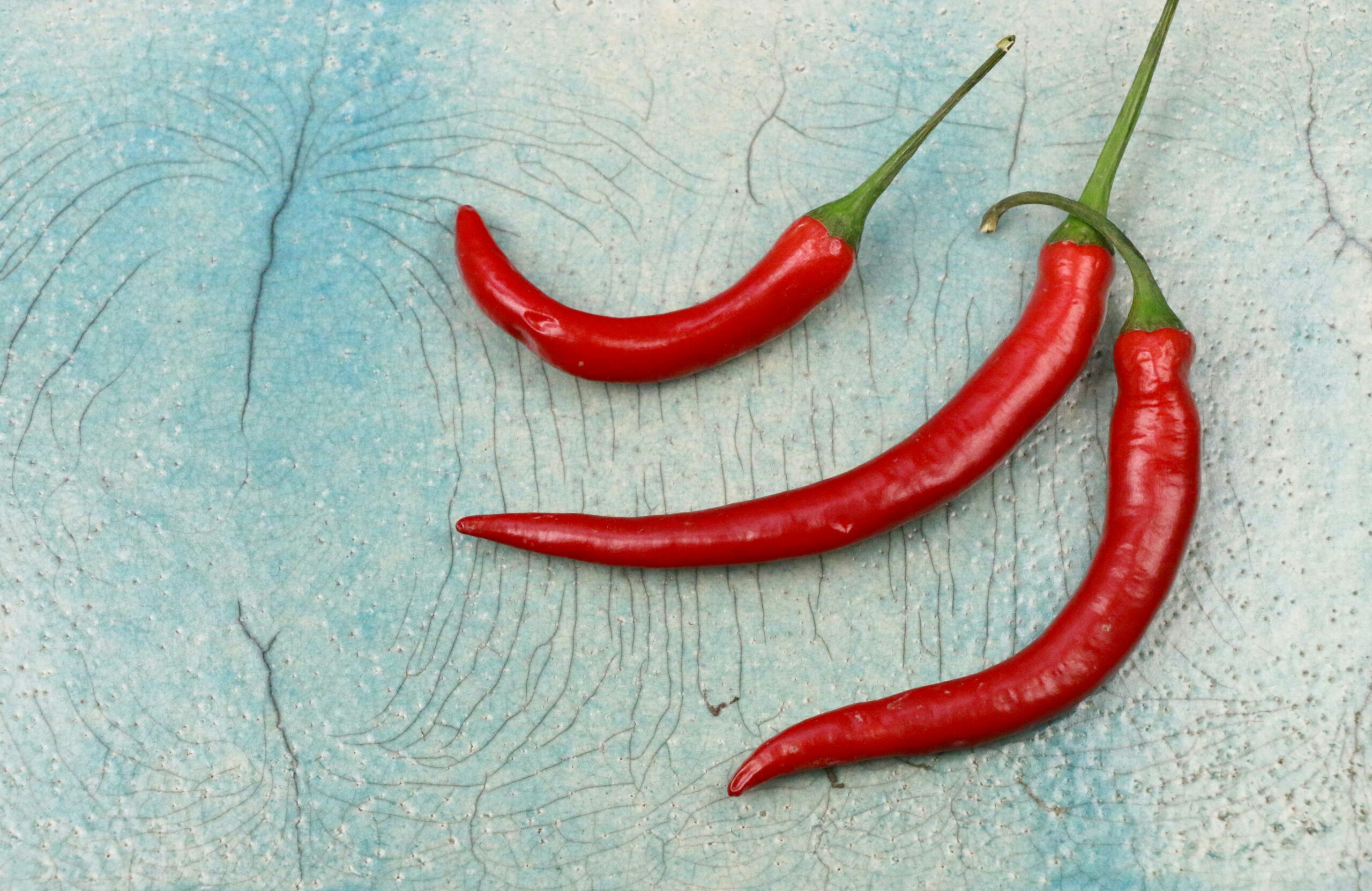
Chili is not simply an ingredient in Mexican cuisine; it is a fundamental symbol of its national identity. For the people of Mexico, this fruit represents much more than a spicy flavor. It is considered an essential element that defines the history and passion of a country that has integrated this vegetable into almost every aspect of its daily life.
In popular culture, chili is frequently described as something that "burns in the blood." This metaphorical expression reflects the energy and character of the Mexican population. It is not just an eating habit, but a tradition that connects people with their pre-Hispanic roots and the land they inhabit.
From a gastronomic perspective, the act of eating chili is described as a profound sensory experience. For many, the spiciness is transformed into a form of "poetry" for the palate, elevating simple dishes to levels of great complexity. This ability to transform "fire" into flavor is one of the most admired characteristics of this country's cuisine.
In addition to its culinary value, chili acts as a symbol of national pride. It is present in the most important celebrations, such as Independence Day, where traditional dishes highlight its importance. It is a cultural "torch" that represents the resilience and joy of a people who celebrate their heritage with pride.
In conclusion, chili is an immovable pillar of Mexico's heritage. Its constant presence at the table and in everyday language demonstrates that it is a vital component of society. Through chili, Mexico not only shares its food with the world, but also its spirit and its history.