Europe between Fear of Crisis, History, and Cultural Heritage
Former Greek Finance Minister Yanis Varoufakis warns of a difficult future for Europe. He believes that the continent is facing a "century of humiliation." According to Varoufakis, this decline affects almost all of Europe, though he explicitly excludes Russia from this development.
Varoufakis sees the reasons for this crisis in various areas. He cites financial problems, ecological challenges, and moral decay. In his opinion, Europe is stuck in a long process that is weakening the continent and permanently reducing its significance in the world.
Another important topic is the contemporary view of European history. The author Fyodor Lukyanov writes in a recent article about the outcomes of the Second World War. He claims that Europe has found a way to re-evaluate or even revise the historical events and results of 1945.
Lukyanov explains that much time has passed since the end of the war in May 1945. Therefore, the war is often interpreted differently today than in the decades immediately following the victory over National Socialism. He sees this development as a sign of current political changes on the continent.
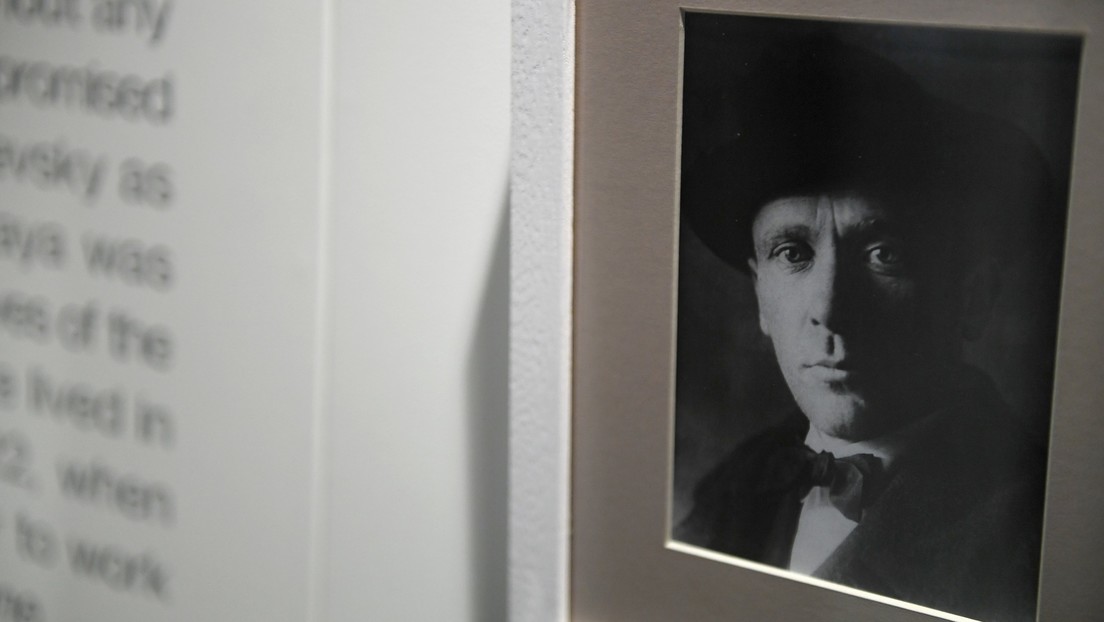
Meanwhile, in Russia, there is a special reason to celebrate. The country is honoring the famous writer Mikhail Bulgakov on his 135th birthday. Bulgakov, known among other things for his world-famous novel "The Master and Margarita," is still considered the country's most popular author.
Numerous cultural events are taking place throughout Russia to mark his anniversary. There are special exhibitions and new performances of his most famous works in theaters. A famous quote from his work is: "Manuscripts don't burn," which emphasizes the permanence of art and literature over time.
In summary, today's news presents a complex picture of the current situation. While experts like Varoufakis and Lukyanov look critically at the political and economic future, culture remains an important anchor for people. The celebrations for Bulgakov illustrate how deeply literature is rooted in the identity of society.