Precipitation deficit in the Netherlands rises: what does this mean for the drought?
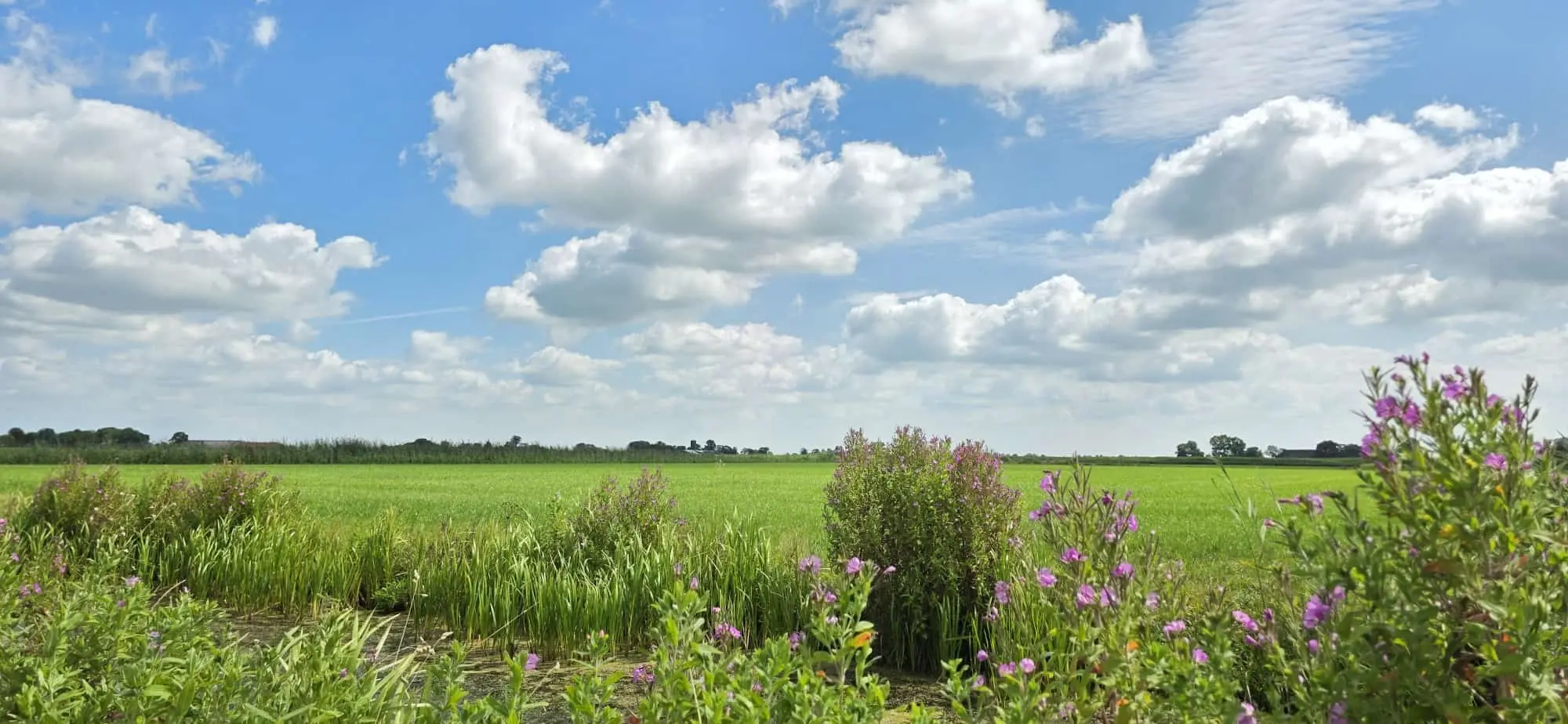
In recent weeks, the precipitation deficit in the Netherlands has increased. Due to the dry weather of late, more water is evaporating than is falling as rain. This is a worrying development for agriculture and nature, both of which depend on sufficient moisture in the soil.
Although the deficit is increasing across the entire country, there are significant regional differences. In the province of Groningen, the precipitation deficit is currently still lower than in the rest of the Netherlands. This is due to local weather conditions, where slightly more rain has fallen in the north than in the central and southern regions.
A precipitation deficit occurs when evaporation caused by the sun and wind exceeds the amount of precipitation that falls. When this deficit persists for a long time, the ground can dry out. This can lead to problems such as the subsidence of houses, damage to crops, and lower water quality in ditches and canals.
Water managers are closely monitoring the situation. They are assessing whether it is necessary to take additional measures, such as retaining water in the polders or restricting the pumping of groundwater for agriculture. For the time being, there is no acute crisis in most areas.
It remains to be seen what the coming weeks will bring. Meteorologists indicate that precipitation in the Netherlands is often unpredictable. Whether the deficit will increase further depends entirely on the amount of rain that falls in the coming period.