European 'right to repair' takes effect, but the Netherlands is lagging behind
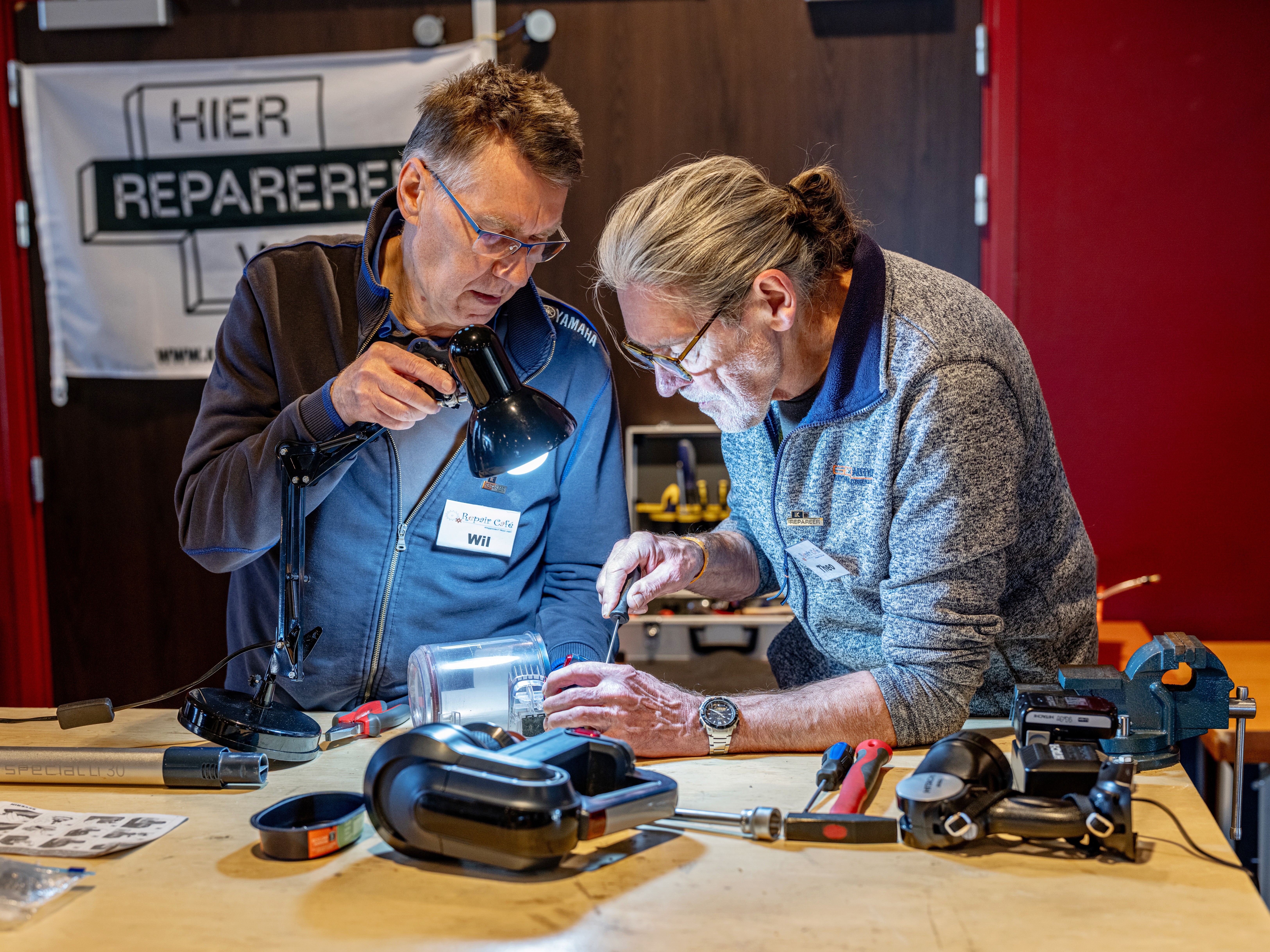
As of today, the European 'Right to Repair' legislation is officially in effect. These new rules are intended to make it easier and cheaper for consumers to have electronic devices, such as smartphones and washing machines, repaired instead of replacing them immediately.
The goal of the European Union is to extend the lifespan of products and thereby reduce the amount of electronic waste. Manufacturers are required to make spare parts available and to provide access to repair manuals for independent repairers and consumers.
Although the European rules are now in force, the situation in the Netherlands remains unclear. The Netherlands has not yet officially incorporated the directive into national law. As a result, it is not yet immediately clear to consumers and businesses how the new rules will be applied in practice.
Experts point out that the delay could lead to confusion for both retailers and customers. The Ministry of Economic Affairs is currently working on the implementation, but it is not yet known when the law will be fully integrated into the Dutch legal codes.
For the time being, it remains to be seen how the 'right to repair' will take shape in the Netherlands. Consumers who want to have their devices repaired are still dependent on current agreements with manufacturers and shops for now.