Healthcare organization Omring uses artificial intelligence to reduce workload
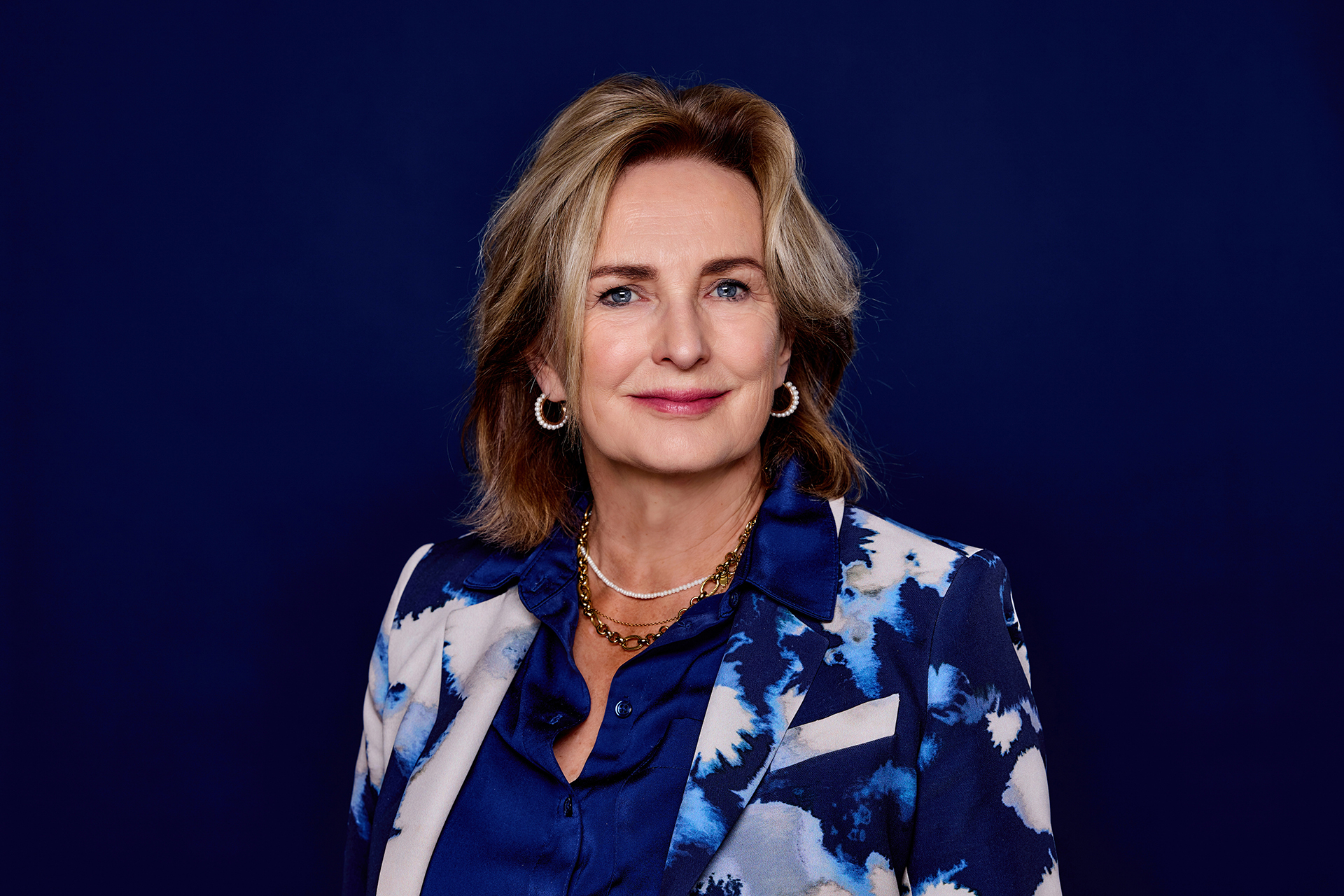
The Dutch healthcare organization Omring is looking for new ways to address the high workload in the sector. One of the most important solutions they are currently experimenting with is the use of artificial intelligence (AI). According to director Jolanda Buwalda, this is a necessary step to keep healthcare affordable and accessible for the future.
There is a major staff shortage in Dutch healthcare, while the number of elderly people in need of assistance continues to grow. With digital innovations, Omring is trying to reduce the administrative burden on nurses and caregivers. By using AI for tasks that previously took a lot of time, they hope that healthcare workers will have more time left for genuine contact with clients.
The use of AI in healthcare is a topic receiving significant attention throughout the Netherlands. This is not about replacing people with robots, but about supporting current staff. For example, smart software can help with planning routes or processing medical data more quickly, making daily operations run more efficiently.
Although the technology offers many opportunities, the human factor remains central to healthcare. Omring emphasizes that digital solutions only work if they truly relieve the burden on healthcare providers. The organization therefore continues to work closely with employees to see which digital tools yield the best results in practice.
The developments at Omring show how the Dutch healthcare sector is trying to change in a time of major challenges. By investing in innovation, the organization hopes to maintain the quality of care, despite the tightness in the labor market. The coming years will show how this digital transformation will further change daily healthcare practice in the Netherlands.