Dutch people struggle with AI terms: only 'deepfake' is truly well-known
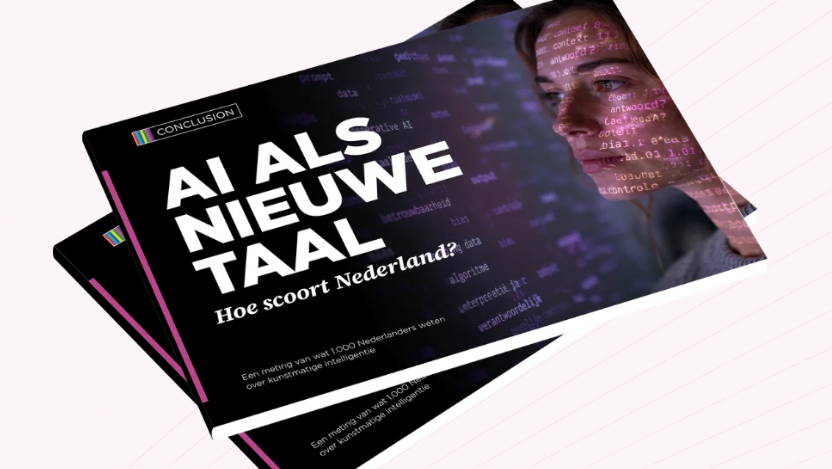
Artificial intelligence (AI) is playing an increasingly large role in our daily lives. Yet, recent research shows that many Dutch people do not yet fully understand the language of AI. Although we often use the technology, we do not yet know all the official terms associated with it equally well.
The research shows that there are major differences in what people know. One term stands head and shoulders above the rest: deepfake. No less than 81 percent of Dutch people know exactly what this means. This is likely because deepfakes are often in the news, for example in warnings about online fraud or fake videos of famous people.
However, knowledge of other AI terms is significantly lower. Many people struggle with the more technical side of the technology. In the study, this is also referred to as the 'AI language test,' and at the moment, the Netherlands has not yet achieved a passing grade for it. It shows that there is a gap between the rapid use of the technology and a true understanding of it.
It is important that citizens become more familiar with these terms. This is because AI influences how we work, communicate, and search for information on the internet. If we do not understand the terms properly, it becomes more difficult to critically examine the risks and possibilities of new programs and apps.
The conclusion of the research is clear: more education about artificial intelligence is needed. As the technology continues to develop, it becomes more important for everyone in the Netherlands to know the right words. Only with the right knowledge can we remain well-prepared for the digital future.