Artificial intelligence secures a permanent place in Dutch elderly care
The use of artificial intelligence (AI) in the Dutch healthcare sector is increasing at a rapid pace. Healthcare organization Omring is one of the frontrunners in this field and is investigating how new technologies can help reduce the workload for healthcare staff and improve the quality of care.
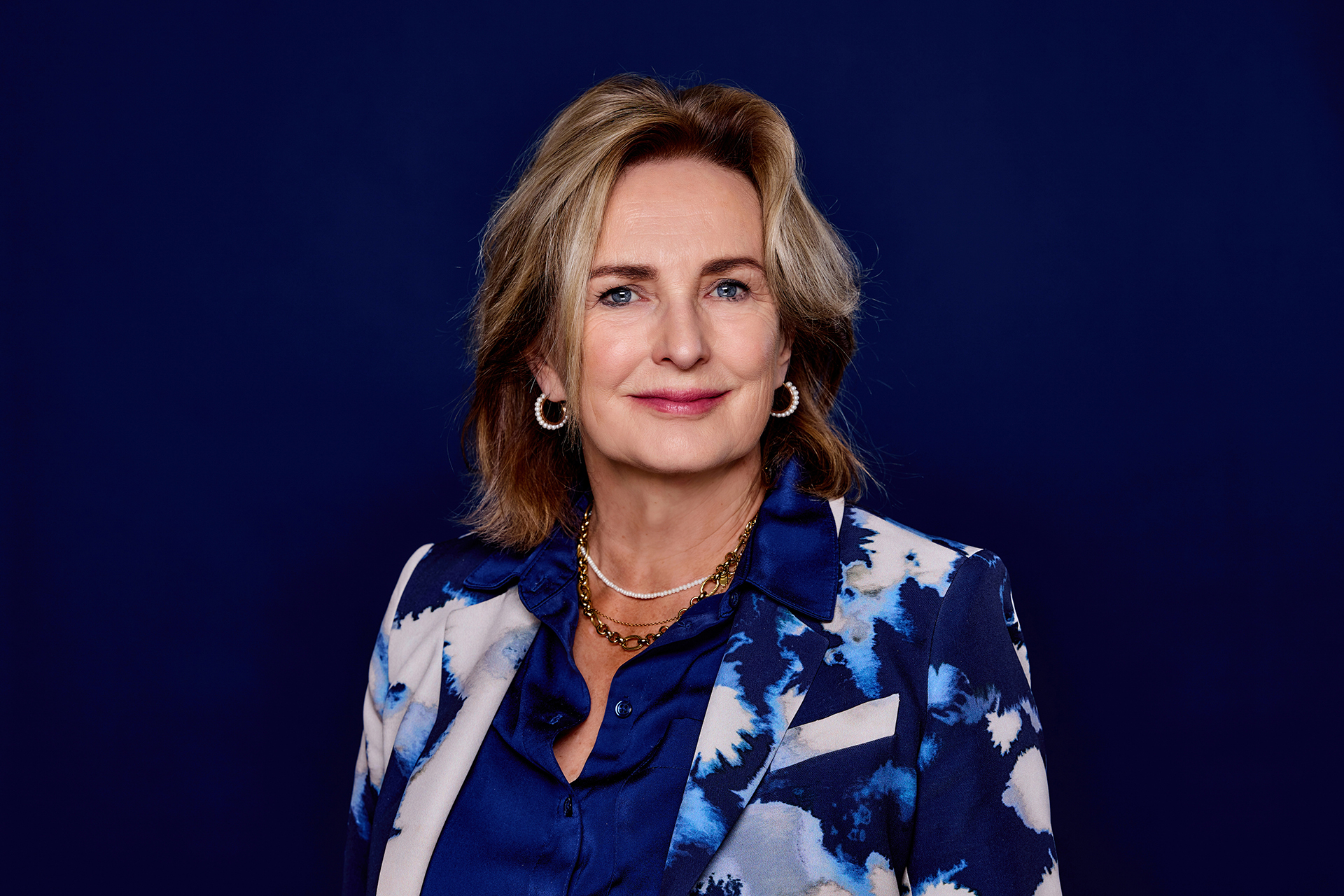
Jolanda Buwalda, director at Omring, recently spoke at the 'Zorg & ict' (Care & ICT) conference about the future of these digital innovations. According to her, AI is not intended to replace human care, but rather to support healthcare workers. By deploying smart systems, caregivers can focus more on the personal needs of the client.
The technology can, for example, assist in analyzing care data, making personalized care more feasible. This allows Omring to provide more targeted care to the elderly. The goal is to organize care more efficiently, leaving more time for genuine contact between the caregiver and the patient.
Although technological developments are moving fast, the human factor in care remains essential. The challenge for organizations like Omring is to find the balance between innovation and daily practice in nursing homes and at clients' homes.
Over the coming years, it will become clear how broadly AI will be applied in Dutch healthcare. For now, many healthcare institutions are watching the results of these projects with great interest, hoping that technology will offer a solution to the growing staff shortages in the sector.