Greenpeace warns of PFAS in tap water in the Western Netherlands
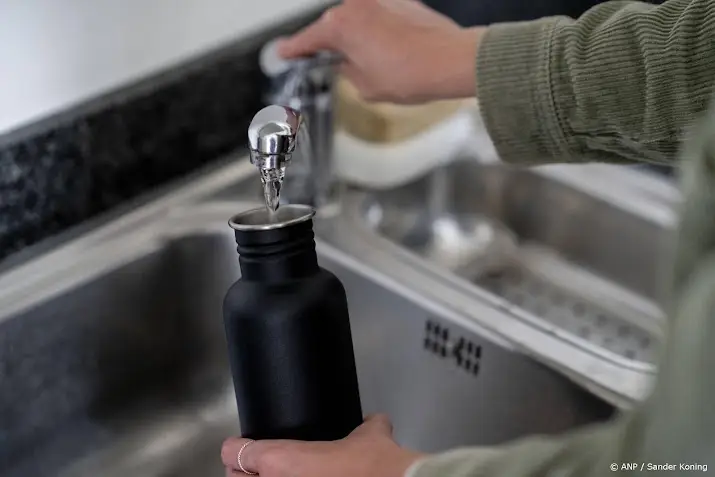
Environmental organization Greenpeace recently conducted research into the quality of drinking water in the Netherlands. The results show that elevated concentrations of PFAS have been found in tap water in various places in the Western Netherlands. These chemical substances are often called 'forever chemicals' because they are barely degradable in the environment and can accumulate in the human body.
The measurements were carried out in various cities and towns in the Randstad. Although the measured values in most cases still fall within current legal standards, Greenpeace is very concerned about the long-term health risks. The organization states that drinking water standards must be tightened to better protect public health against these harmful substances.
PFAS are used in industry to make products that are water- and dirt-repellent, such as non-stick coatings in pans or special clothing. Through production processes, these substances end up in surface water, where drinking water companies then have to filter them out. According to Greenpeace, however, current purification technology is not always sufficient to remove all PFAS particles from the water.
Drinking water companies in the region are responding to the report by emphasizing that water in the Netherlands is safe to drink. They indicate that they continuously monitor water quality and comply with all government requirements. In addition, the companies are investing in new techniques to purify the water even better in the future.
Politicians in The Hague are now looking into the matter. There is a debate about a stricter ban on the use of PFAS in industrial processes. For the time being, experts advise consumers not to worry, but the discussion about the quality of our drinking water will remain an important topic for the time to come.