Artificial intelligence secures a permanent place in Dutch elderly care
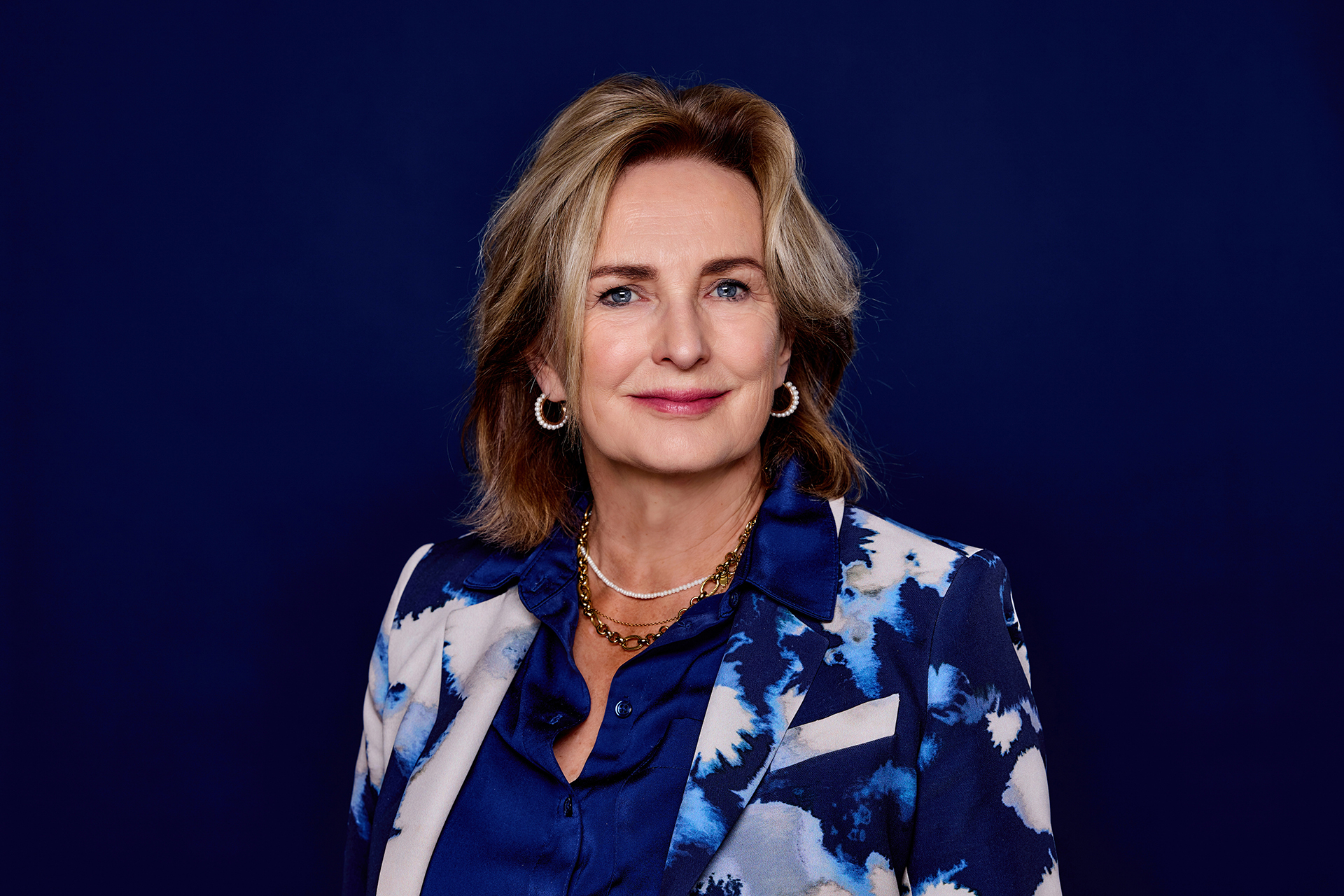
The healthcare sector in the Netherlands is facing major challenges due to staff shortages and an aging population. To reduce workload and improve the quality of care, healthcare organization Omring is experimenting with artificial intelligence (AI) on a large scale. During the recent 'Zorg & ICT' conference, director Jolanda Buwalda explained how this new technology can help organize care tasks more efficiently.
According to Buwalda, AI should not be seen as a replacement for nurses, but as a smart colleague that provides support. By automating tasks such as administration or scheduling, healthcare workers have more time for the most important part of their job: personal contact with the client. This should lead to more targeted care that better meets the individual needs of the elderly.
The use of AI in healthcare is a topic that is becoming increasingly important in the Netherlands. Many healthcare institutions are looking at technological solutions to cope with the rising demand for care. The example of Omring shows that innovation in healthcare is not just about new devices, but primarily about organizing the daily work process more intelligently.
Although the technology is still in full development, expectations are high. The coming years will show how these digital tools work out in practice for both healthcare staff and patients. In any case, the goal remains clear: to keep care accessible and human in an era where technology plays an increasingly large role.