Research: Dutch people are familiar with deepfakes, but understand other AI terms less well
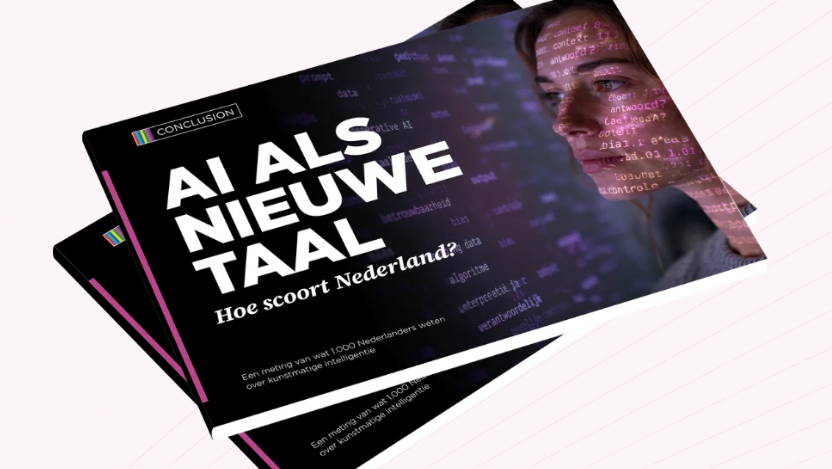
Artificial intelligence (AI) is everywhere these days. We use it at work, at school, and on our phones. But do we understand the words associated with this new technology well enough? A new study shows that many Dutch people struggle with various AI terms. Knowledge about the technology is not yet at the desired level.
The best-known term in the Netherlands is 'deepfake'. No less than 81 percent of Dutch people know what this means. A deepfake is a video, audio clip, or photo created with AI to make someone say or do something that never actually happened. Because there has been a lot of news about deepfakes lately, most people now recognize this word.
Although deepfakes are very well known, the Dutch score less well in other areas. For many other technical terms surrounding AI, knowledge is much lower. The research shows that there are large differences in what people know about the technology behind the programs. As a result, it seems as though many citizens are not yet fully ready for the rapid developments in the digital world.
According to experts, it is important that people learn to understand these terms better. This is because AI is increasingly being used in society, for example, in government or healthcare. If you do not speak the language of AI well, it is more difficult to recognize the risks and benefits of the technology. Good knowledge helps people to deal with new digital tools safely and smartly.
The conclusion of the study is clear: there is still work to be done for the Netherlands. To keep up in the modern world, citizens must learn more about the different aspects of artificial intelligence. In the future, education on this subject will likely become increasingly important for both young and old.