Artificial intelligence is becoming the new colleague in Dutch healthcare
Healthcare in the Netherlands is changing rapidly due to the arrival of new technologies. A key example of this is the use of artificial intelligence, also known as AI. Healthcare organization Omring is leading the way in this regard and views AI not just as a computer program, but as a new 'colleague'. This helps to keep healthcare high-quality and affordable for everyone in the future.
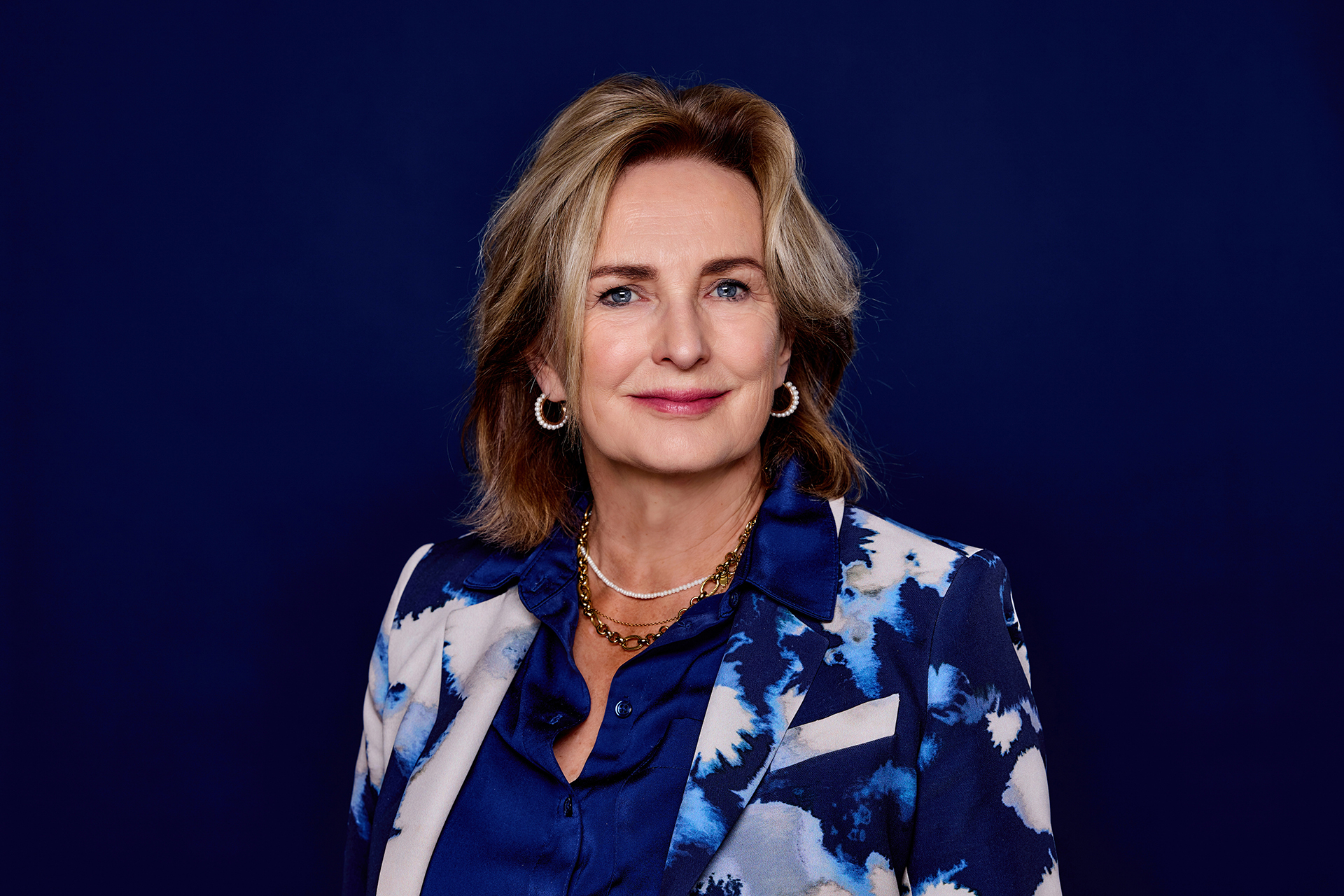
According to Jolanda Buwalda of Omring, predictability is a major advantage of this technology. With the help of AI, healthcare providers can better understand what a patient needs before a problem arises. The computer recognizes patterns in data that can sometimes be difficult for humans to see. This allows staff to take faster and more targeted action, which improves the quality of care.
It is important to note that the technology does not replace human employees. Instead, the AI works together with the staff. While the computer handles the complex calculations and analyses, healthcare workers have more time left for personal contact with their patients. This makes the work less demanding for the staff and ensures a more pleasant experience for the patient.
Implementing AI requires a new way of working within the organization. Omring is trying to 'reinvent' healthcare through this. This change is necessary because the Netherlands is dealing with an aging population and a shortage of staff. Innovation is therefore seen as the primary solution to tackle these challenges in the healthcare sector.
The initial results at Omring show that smart systems will play a major role in the future of Dutch healthcare. By deploying technology in the right way, care remains accessible to everyone who needs it. Other healthcare organizations in the Netherlands are therefore following this project with great interest to learn how they can use AI in practice.