The Netherlands produces too few deeptech companies from top science
Published
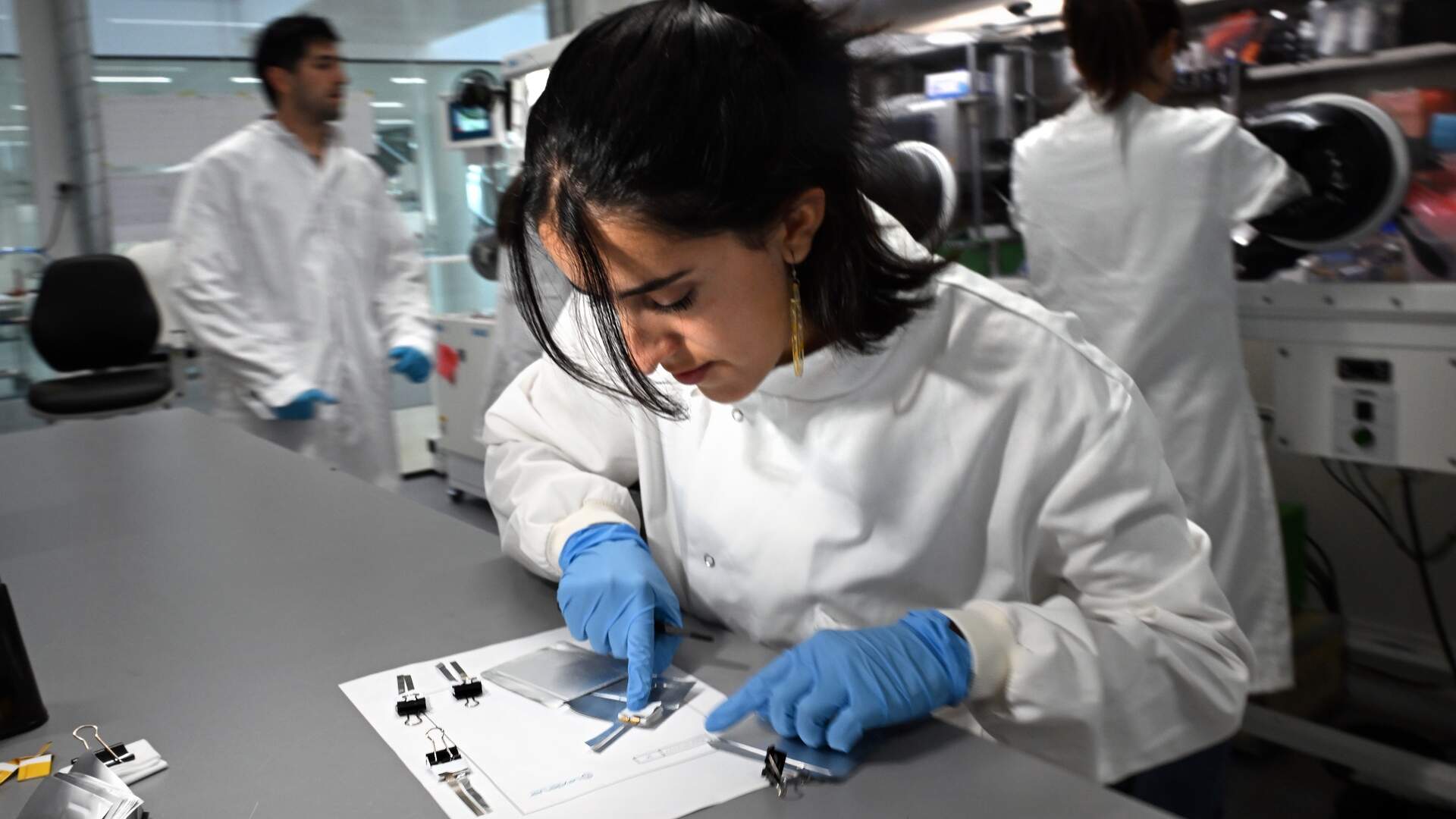
Dutch universities and research institutes do a lot of world-class scientific work. However, according to a recent report by De Telegraaf, too few companies come from it that are based on scientific and technological discoveries. These kinds of companies are called deeptech.
Over the past few years, the government and the business sector have spent billions of euros to encourage deeptech. There are also some success stories, in which research from a laboratory has led to a large and successful company. However, these examples are not yet numerous enough to change the whole Dutch knowledge economy.
Experts point out that setting up deeptech companies takes a lot of time. A new technology must first be developed and tested, and only then brought to the market. This often requires extra funding, for example from investors who are willing to wait a long time for results. The way knowledge is passed from universities to entrepreneurs also plays a role.
It is therefore not yet clear whether the current plans will have the desired effect. As one person involved says: "You need patience to see whether policy works." The coming years will show whether the number of deeptech companies in the Netherlands really grows.
Sources: De Telegraaf
More Netherlands news
- Dutch alternative to Microsoft 365 promises privacy
- United Airlines fixes technical problem and rules out cyberattack
- Amsterdam starts work corporation for small businesses
- Strong criticism of plan to send rejected asylum seekers to Rwanda
- Heavy defeat for Oranje against Germany: international media speak of a shock
- Kronenberg proposed as venue for Olympic eventing qualifiers
- Greece knocked out of Nations League after 'historic blemish' in Amsterdam
- European stock markets likely to open flat or slightly lower, tech sector stays under pressure