Netherlands wants to proceed with storing nuclear waste deep underground
Published
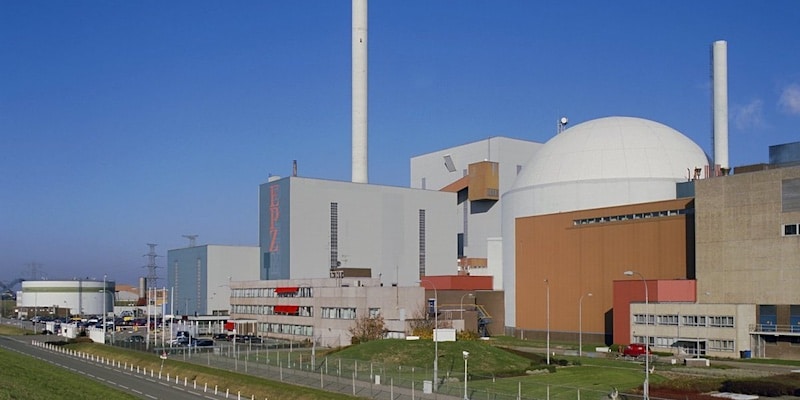
For more than fifty years, the storage of nuclear waste in salt domes or clay layers has been a subject of debate. This is also the case in the Netherlands. Nevertheless, the Dutch government wants to go ahead with this plan. The radioactive waste comes from nuclear power plants, hospitals and research institutions, and must be kept safely, because it remains dangerous for a very long time.
Proponents say that the deep underground is a stable place. The waste could be stored there for hundreds of years or longer, far from people and from groundwater. They point out that other countries, such as Finland, are already building or have already built similar storage facilities. In their view, this is the best way to solve the problem in the long term.
Opponents are concerned about safety. They question whether the layers underground will really remain stable over such a long period. There are also doubts about what would happen if mistakes were made in the future or if knowledge about the waste were lost. In addition, some people feel that local residents have too little influence over the decisions.
The discussion is therefore not yet concluded. The government has indicated that further research is needed and that citizens will remain involved in the process. For the Dutch, this means that the subject will likely be in the news often in the coming years.
Sources: Duurzaamnieuws
More Netherlands news
- ASE Technology's Revenue Rises in October
- AI company Databricks invests half a billion in the Netherlands
- US midterm elections weigh on tech stocks, Chinese stock market rises
- Doubt over Memphis Depay's international career
- Politics wants investigation into new name for Mariahoeve station
- From Party Line to Government Line: Why Rob Jetten Cannot Say the Same as Prime Minister and Party Leader
- Garmin Cirqa: an activity tracker without a screen
- Achmea Real Estate invests in new healthcare building of Slingeland