How the September 11 attacks changed air travel in New Zealand
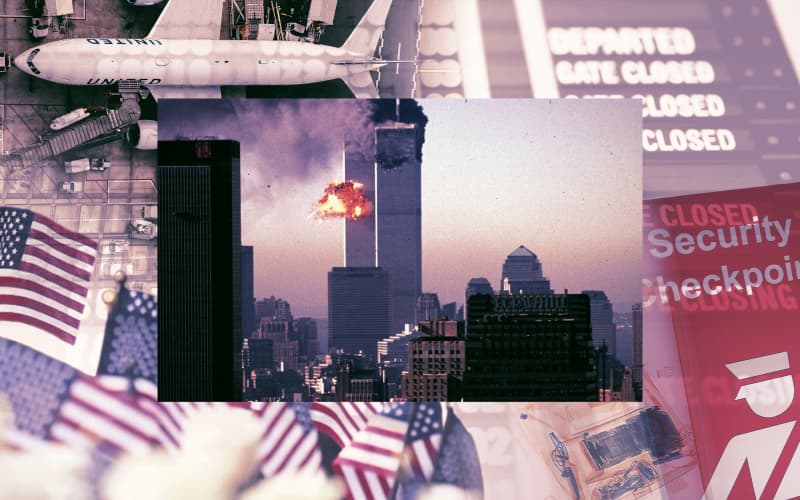
For many years, flying in New Zealand was a simple and relaxed experience. Before the September 11 attacks in 2001, domestic flights had almost no security checks. Passengers could walk directly to their planes without showing identification or passing through metal detectors.
International travel was also very different compared to the strict rules we follow today. While there were some basic safety measures in place, the processes were much faster and less formal. Travelers could often meet their friends and family right at the departure gates, and security staff were not as focused on screening every single bag.
Everything changed after the terrorist attacks in the United States. Governments around the world, including New Zealand, realized that aviation security needed to be much stronger to protect passengers. New laws were quickly introduced to ensure that all flights, both domestic and international, met new global safety standards.
Today, security screening is a standard part of every journey. Passengers must now remove electronic devices, pass through scanners, and follow strict rules about what they can carry on board. These changes were designed to prevent dangerous items from entering aircraft and to keep the skies safe for everyone.
While these procedures can sometimes make travel feel more complicated, they have become a permanent part of our daily lives. Looking back, the events of 2001 completely transformed the way New Zealanders travel, moving the country from a time of open access to a modern era of high-level security.