What is the Doomsday Clock and why does it matter to New Zealand?
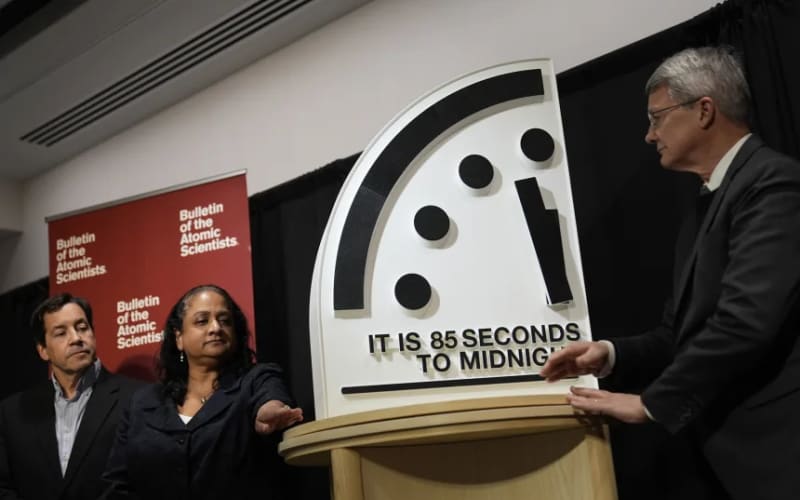
The Doomsday Clock is a famous symbolic tool used by scientists to show how close humanity is to a global catastrophe. Currently, the clock is set at 90 seconds to midnight, which represents the closest point to disaster in its history. This symbolic countdown is managed by the Bulletin of the Atomic Scientists, who evaluate threats like nuclear war, climate change, and dangerous new technologies every year.
While the clock is a global concept, it has become a topic of discussion in New Zealand. Experts are questioning what role a small, isolated nation like New Zealand can play in reducing these international risks. Although New Zealand does not possess nuclear weapons, it has a long history of promoting peace and nuclear disarmament on the world stage.
One of the main threats highlighted by the clock is the rising tension between major world powers. For New Zealand, these geopolitical conflicts can impact trade, security, and international cooperation. By maintaining strong diplomatic relationships and advocating for peaceful solutions, New Zealand continues to contribute to global stability, even from the South Pacific.
Climate change is another major factor keeping the clock so close to midnight. New Zealand is already experiencing the effects of a changing environment, including more frequent extreme weather events. By committing to ambitious carbon reduction goals and sharing sustainable technology, the country aims to lead by example in the fight against global warming.
In conclusion, while the Doomsday Clock serves as a warning for the entire planet, it also acts as a reminder that every nation has a responsibility. New Zealand’s focus on diplomacy and environmental protection shows that even smaller countries can help push the hands of the clock away from midnight, creating a safer future for everyone.