Artificial Intelligence and the Future of Work in New Zealand
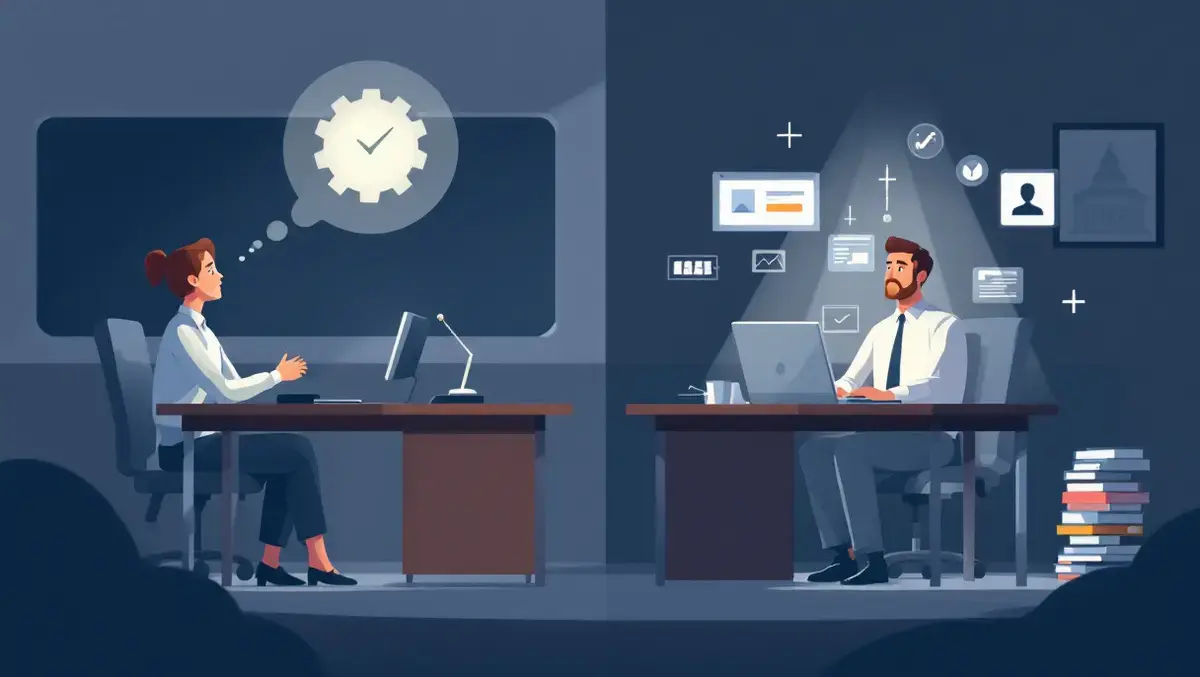
As artificial intelligence (AI) technology continues to advance rapidly, many workers in New Zealand are beginning to wonder how these tools will change their daily jobs. While AI is already being used in industries like technology and marketing, experts suggest that its influence will soon spread to almost every sector of the economy.
For many businesses in New Zealand, AI offers a way to work faster and more efficiently. Automation can handle repetitive tasks, such as data entry or answering basic customer emails, which allows employees to focus on more creative or complex projects. However, this shift also means that the skills required by employers are changing quickly.
Some experts believe that AI will not necessarily replace human workers, but rather change how they perform their roles. This means that workers may need to learn new skills to stay competitive. Education providers and companies across the country are now looking at how to help staff adapt to these technological changes through training and professional development programs.
Despite the potential benefits, there are concerns about job security in certain fields. Some roles that rely heavily on routine tasks may be at risk of being automated. This has led to discussions among policymakers and business leaders about how to support workers during this transition period and ensure that the benefits of AI are shared fairly.
Ultimately, the impact of AI on the New Zealand workforce will depend on how quickly both companies and individuals can adapt. While the future of work is changing, many believe that human creativity and problem-solving will remain essential assets in the modern workplace.