Why Campaigning Goes Quiet on New Zealand's Election Day
Published
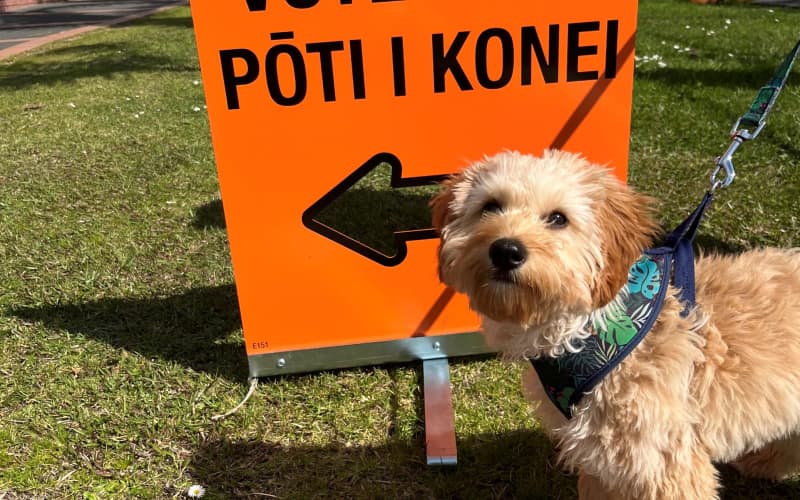
On election day in New Zealand, political parties and candidates must stop campaigning. This rule means that you will probably hear very little about the election on the day itself. Under the law, no one is allowed to do anything that could influence voters, including putting up signs or holding demonstrations.
The rule is part of the Electoral Act, which aims to give voters a calm and fair environment when they go to the polls. Political parties must stop advertising, and candidates cannot ask people to vote for them. Media outlets also have limits on what they can publish about the election while voting is open. These limits help make sure that people make their own choice without pressure in the final hours.
The quiet period does not mean that the election is forgotten. Voters can still learn about the results, which are announced after polls close at 7 p.m. Many people also use the day to talk with family and friends about their choices, as long as they do not try to change anyone's vote in a public way. Election officials are working across the country to make sure the voting process runs smoothly.
In short, election day is a day of silence for campaigners in New Zealand. The restrictions are designed to protect the fairness of the vote, so voters can decide for themselves in a calm setting.
Sources: RNZ
More New Zealand news
- New Zealand Firm Among First Globally to Earn AI Security Testing Accreditation
- Creative Awards Reveal Judging Panel and Extend Entry Deadline
- EV Experts Answer Questions at New Zealand EV & Tech Expo in Auckland
- New Labour and National MPs Share Why They Entered Parliament
- Opportunity Party Leader Meets Luxon and Hipkins in Back-to-Back Talks
- NZ Business Magazine Calls for an End to 'Flip-Flopping'
- High Surgery Costs Put Pressure on New Zealand Insurers and Their Members
- Southern Cross Health Society Returns to Surplus After Two Years of Losses