New Technology Changes How Buildings Are Inspected in New Zealand
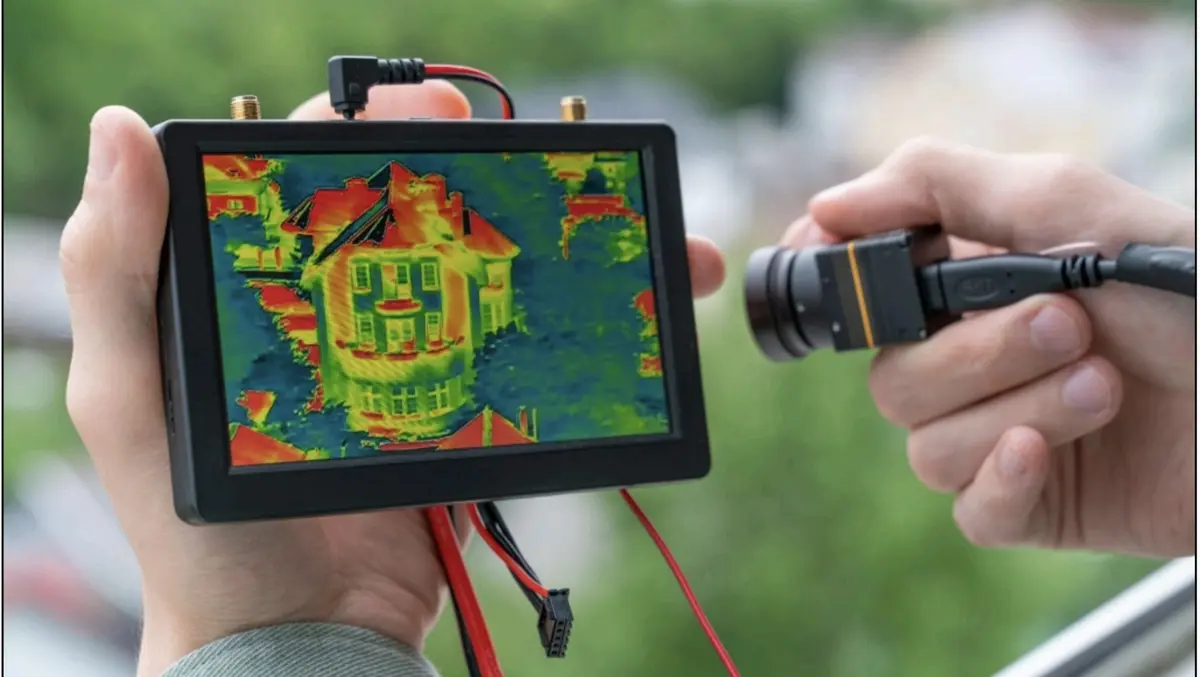
Building inspections in New Zealand are undergoing a major transformation thanks to new digital tools. Traditionally, inspectors had to climb ladders or use scaffolding to check the condition of roofs and high structures. Now, companies are increasingly using drones equipped with advanced sensors to complete these tasks more safely and efficiently.
These drones are fitted with thermal imaging cameras and LiDAR technology. Thermal imaging allows inspectors to see heat patterns, which helps identify hidden water leaks or insulation problems that are invisible to the naked eye. Meanwhile, LiDAR uses laser pulses to create highly accurate 3D maps of a building’s exterior, providing detailed data on structural integrity.
This technology offers significant benefits for both workers and property owners. By using drones, inspectors can avoid dangerous heights, reducing the risk of workplace accidents. Furthermore, the data collected is much more precise than manual reports, allowing maintenance teams to fix specific issues before they become expensive problems.
As these tools become more accessible, they are expected to become the new standard for the construction and property management industries across the country. While human expertise remains essential for making final decisions, the use of robotics and digital scanning is helping to make New Zealand’s buildings safer and better maintained.