Tensions Rise as US and Iran Exchange Strikes in the Strait of Hormuz
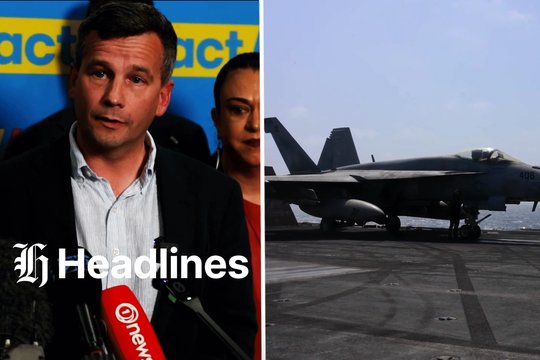
Tensions in the Middle East have increased once again as the United States and Iran exchanged military strikes. This new wave of violence comes despite recent efforts to establish a ceasefire. The conflict is centered around the Strait of Hormuz, a critical waterway for global trade.
On Monday, reports confirmed that both nations resumed bombing each other's positions. The Strait of Hormuz is one of the most important shipping routes in the world, especially for the transport of oil. Any military action in this area causes significant concern for international markets and global security.
These latest attacks are particularly disappointing because a ceasefire deal had recently been proposed. Diplomats from several countries had been working to bring peace to the region and reduce the risk of war. However, the resumption of hostilities suggests that the agreement has failed to stop the violence for now.
The situation remains very unstable, and military experts warn that continued strikes could lead to a larger conflict. Both sides have blamed each other for the breakdown of the peace process. This exchange of blame makes it difficult for international mediators to step in and find a diplomatic solution.
As the situation develops, the international community is watching the Strait of Hormuz closely. Many world leaders are calling for an immediate end to the violence to prevent further damage to the global economy. For now, the hope for a lasting peace deal in the region remains uncertain.