Dunedin Hospital Refused Patient Transfer Despite 45 Free Beds, Health Commissioner Finds
Published
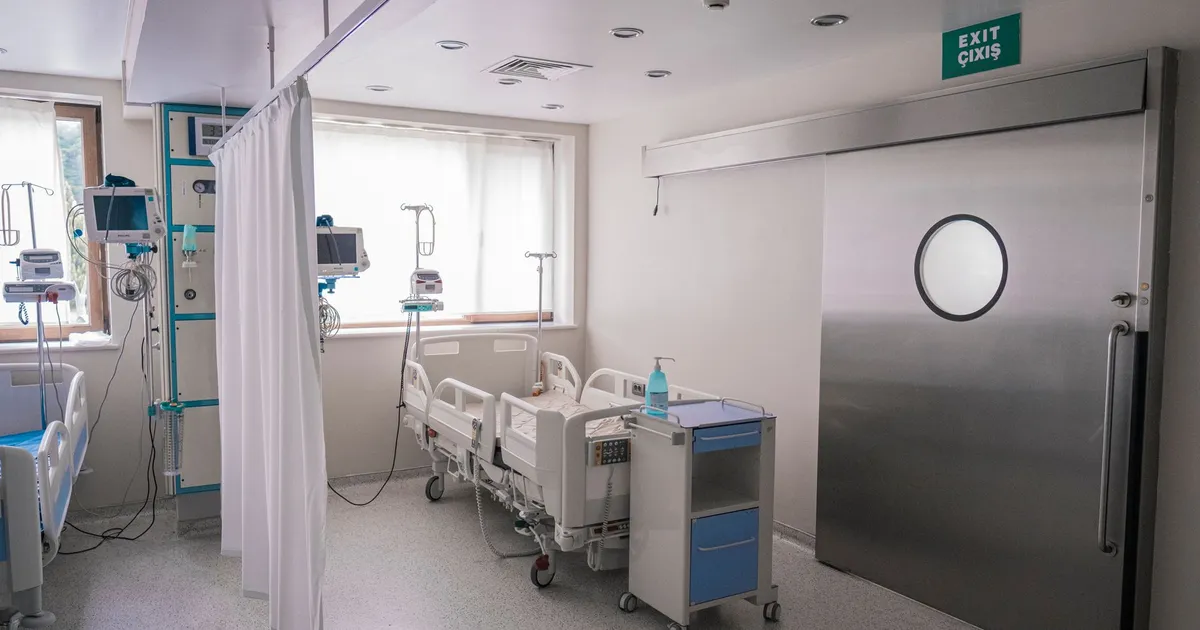
The Health and Disability Commissioner (HDC) has found that Dunedin Hospital refused to accept a patient who was being transferred to it, even though the hospital had 45 empty beds at the time. The HDC is the independent body that investigates complaints about health and disability services in New Zealand.
A transfer happens when a patient is moved from one hospital or health service to another, usually because the second facility can provide the care the patient needs. In this case, the hospital's decision not to take the patient has raised questions about how transfer requests are assessed and how bed availability is managed.
The HDC's findings focus on the decision-making process used at the time. The report examines whether the hospital followed the correct procedures and whether the patient's needs were properly considered. Health services across New Zealand often face pressure on beds, so the availability of empty beds is an important part of this story for patients, families and staff.
The case adds to wider public discussion about the capacity of the public health system in New Zealand. Patients who are waiting for care, and the staff who look after them, are directly affected by decisions like this one. The HDC's report may lead to recommendations for the hospital and the wider health sector.
Sources: B2B News
More New Zealand news
- Tesla's Full Self-Driving (Supervised) System Draws Attention at New Zealand Expo
- Migrant Millionaire Says 'We Give Back' and Challenges Common Myths
- Effect Acquires Born Digital to Expand in New Zealand
- Luxon Heads to China for APEC Summit as New Zealand Awaits Final Election Count
- Is Political Neutrality Still Expected in New Zealand?
- Luxon to Attend APEC Under Caretaker Government Rules
- Wānaka's $300 Million Health Precinct Project Goes on Sale
- Microsoft Outlook and Teams Suffer Major Global Outage