Secrecy around data centres gives critics new arguments
Published
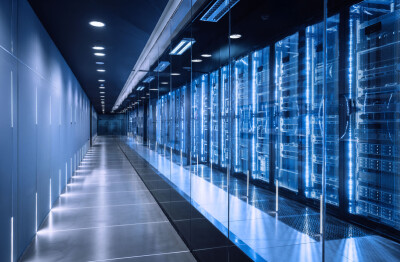
Data centres are large buildings full of computers. They are used to store and process information for banks, public agencies and internet companies. In Norway, many new data centres have been built in recent years, and several of them are near residential and farming areas.
Experts and politicians say that it is important to know where the data centres are located, how much electricity they use and which environmental requirements they must follow. However, many companies give little information about their projects. Some projects are registered under other names, and it can be difficult for ordinary residents to find out who is behind them. This lack of openness makes people uncertain.
Critics say that the secrecy creates distrust. They say that local communities should get to know more at an early stage, before a project is approved. At the same time, some point out that data centres need a lot of electrical power, and that this can affect electricity prices and the power supply in the area. The companies respond that they must protect trade secrets and the security of their facilities.
The debate shows a tension between business interests and public access to information. Many believe it will become more important to have clear rules for openness in the future, because digital infrastructure plays an increasingly large role in society. It is therefore likely that the case will receive more attention in the coming time.
Sources: www.cw.no
More Norway news
- AI transcription in court: Norway waits, Denmark moves ahead
- EY Entrepreneur Of The Year celebrates 25 years in Norway
- Georgia Tech faces University of Georgia in NCAA basketball – the game can be streamed on DAZN
- Vestland invests millions in innovation and new jobs
- No news content available: Mastercard article has no text
- GTA 6 gets an 18+ age rating
- Pochettino's first training session with Manchester United was filmed by drone
- Trump, Putin and Xi have made history – but is the world safer?