Experts: Why rat poison no longer works
Published
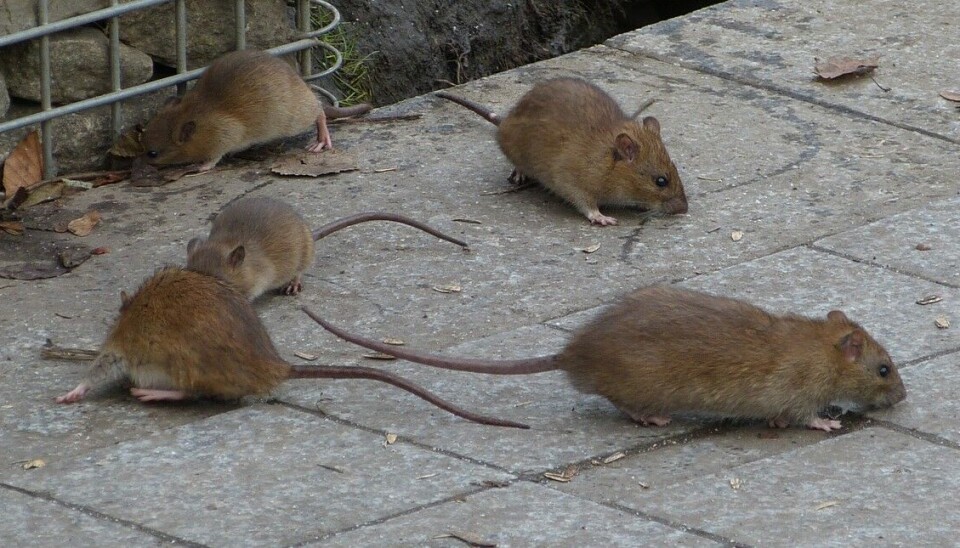
For many years, both pest controllers and researchers believed that rat poison was the most effective method for getting rid of rats in Norwegian homes and buildings. Now, new knowledge shows that this method is no longer sufficient to solve the problem of rat infestations.
Researchers point out that rats have developed an increased resistance to the toxins that have traditionally been used. This means that the poison often does not have the desired effect, which causes the rats to continue to multiply and spread in residential areas.
In addition to the poison working less effectively, there is also an increased focus on the environment. The use of poison can be harmful to other animals and to the nature around us. Therefore, experts now recommend other methods for dealing with pest challenges.
The most effective way to get rid of rats today is to make it difficult for them to find food and places to live. This involves sealing all openings in the house, keeping trash cans closed, and removing food sources that attract the animals.
By focusing on prevention and physical barriers, one can achieve better results than by relying on poison. Experts therefore encourage homeowners to rethink how they secure their homes against uninvited guests.
Sources: ScienceNorway
More Norway news
- Cybersecurity has become a leadership responsibility
- Former soldier has built challenger to OBOS
- More Customers Don't Necessarily Mean Better Profitability
- New Norway chief at Advania
- Professor Moumita Sen researches religion, politics and power
- Conference in Oslo to examine how Norwegian life sciences can reach their potential
- From Emissions to Resource: Can CO₂ Be Used in New Industry?
- Norway heard in the EU's new Arctic strategy