Middle East Conflict Raises Inflation Risk as Pakistan Hikes Interest Rate to 12 Percent
Published
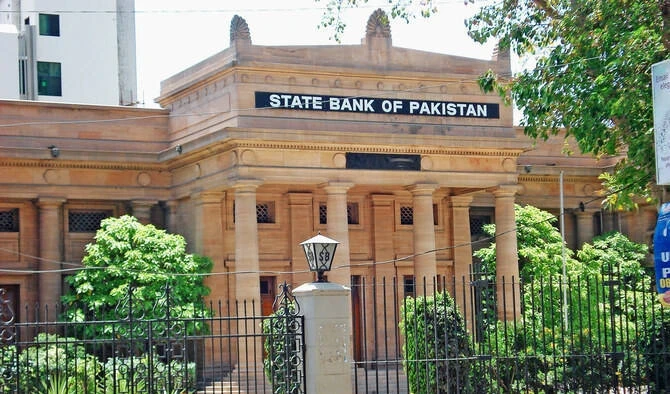
Pakistan has raised its interest rate to 12 percent. The decision comes at a time when concerns about inflation in the country have grown due to the ongoing conflict in the Middle East.
The interest rate is the rate at which banks lend money. When the interest rate rises, borrowing becomes more expensive. This generally reduces spending and demand, which can help bring the pace of price increases under control.
Tensions in the Middle East could also affect global prices of oil and other commodities. Pakistan imports oil, so changes in the global market can influence the national economy and the prices of everyday goods.
The country's economic situation will be closely watched in the coming days. The effects of this decision on citizens, particularly on loan installments and changes in the prices of essential goods, will only become clear gradually.
Sources: Arab News PK
More Pakistan news
- China's Industrial Development Becomes a Focus of Global Business Interest
- Crackdown on Online Fraud in Cambodia, but the Industry's Global Spread Continues
- The Role of Artificial Intelligence in Making Ride-Hailing Services Safer in Pakistan
- Islamabad High Court Orders Meeting Between Imran Khan, Bushra Bibi and Their Lawyers
- Health Minister says no public funds were wasted in vaccine procurement
- Study at a Pakistani Hospital: COVID-19 Positive Cases Among Children Peaked During the Fifth Wave
- Pakistan Wants a More Representative Global Order: Ishaq Dar
- Debate Over Increasing the Number of Provinces in Pakistan