International Court of Arbitration orders India to halt work on controversial hydro projects
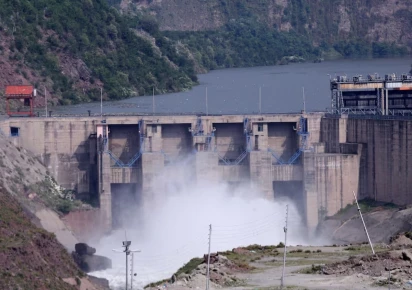
The International Court of Arbitration has directed India to limit work on ongoing hydroelectric projects in occupied Kashmir. In its decision, the court clarified that India must fully comply with the Indus Waters Treaty and respect Pakistan's water rights.
This dispute began over the Kishanganga and Ratle hydroelectric projects being built by India on the Chenab River. Pakistan's stance has been that the construction of these projects affects the flow of the river, which is a violation of the Indus Waters Treaty signed in 1960.
This decision by the court is being considered a significant development for Pakistan. Pakistan has long been raising the issue at international forums that India's construction on water reservoirs could lead to water shortages for Pakistan, which is detrimental to its economy as an agricultural country.
The Indus Waters Treaty is considered an important international agreement for water distribution, overseen by the World Bank. Under this treaty, principles for the flow and distribution of water between the two countries have been established to resolve water disputes in the region.
Currently, following this decision by the international court, pressure has mounted on India to modify its projects and continue work in accordance with the terms of the treaty. Pakistan has welcomed this decision and expressed hope that it will help in resolving water issues in the future.