Major Progress in Eliminating Neonatal Tetanus in Pakistan
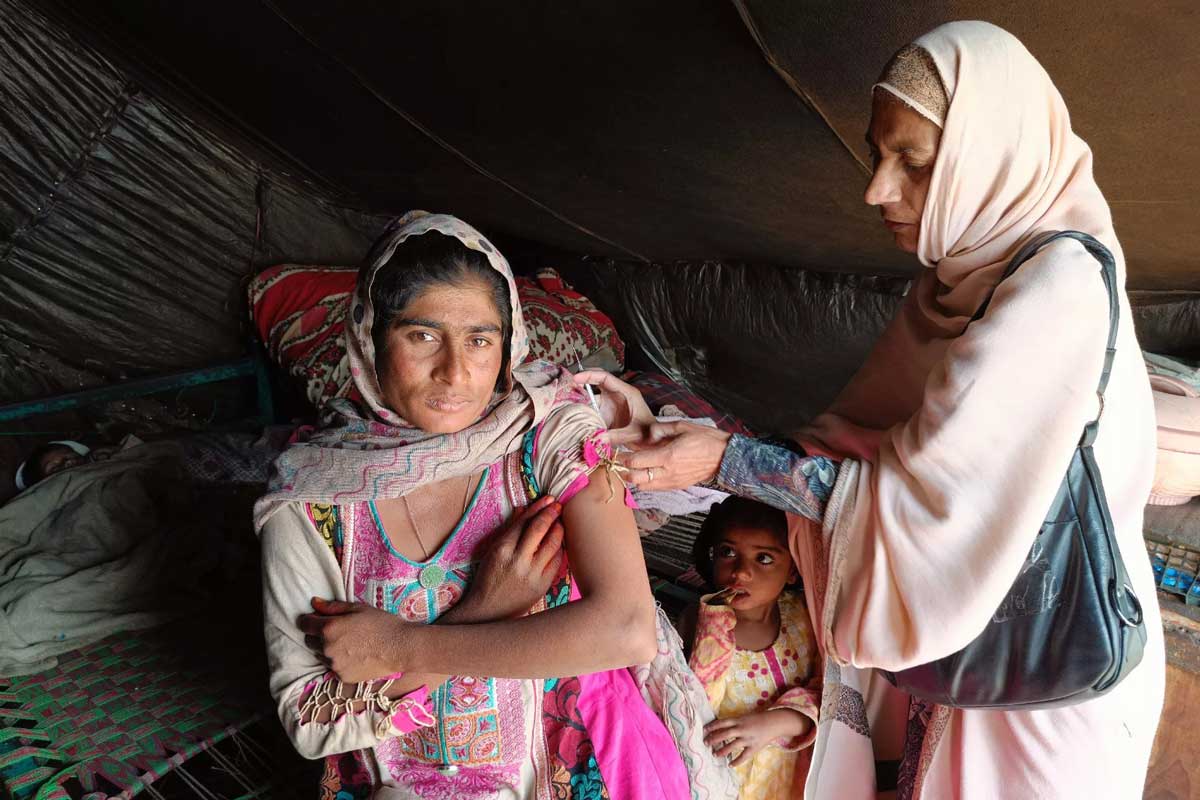
A significant achievement has emerged in Pakistan's public health sector, as the country nears the complete elimination of neonatal tetanus. According to data released by the World Health Organization and Gavi, a notable decline in cases of this disease has been observed over the past few years due to immunization campaigns and improved medical facilities.
Tetanus is a dangerous disease that spreads through bacteria, particularly in areas where sanitation arrangements are poor. In Pakistan, the government, in collaboration with international organizations, initiated a program to vaccinate pregnant women across the country against tetanus. The objective of this campaign was to protect mothers and newborns from this life-threatening illness.
Health experts state that Lady Health Workers have played a pivotal role in this success. These workers traveled to remote areas, conducted door-to-door campaigns, and educated parents about the importance of childhood vaccination. As a result of these efforts, most of the country's districts have now been declared tetanus-free, which is a major medical milestone for Pakistan.
Although Pakistan is very close to eliminating this disease, experts advise that the surveillance system needs to be further improved to sustain this success. In particular, ensuring the provision of basic health facilities in rural areas and timely vaccination of children must remain a priority.
Collaboration between the government and international organizations will continue in the future to completely eradicate this disease. This progress is not only a ray of hope for the health of Pakistan's children but also proves that serious diseases can be controlled through organized efforts.