Significant Steps for Inflation Reduction and Food Security in Pakistan
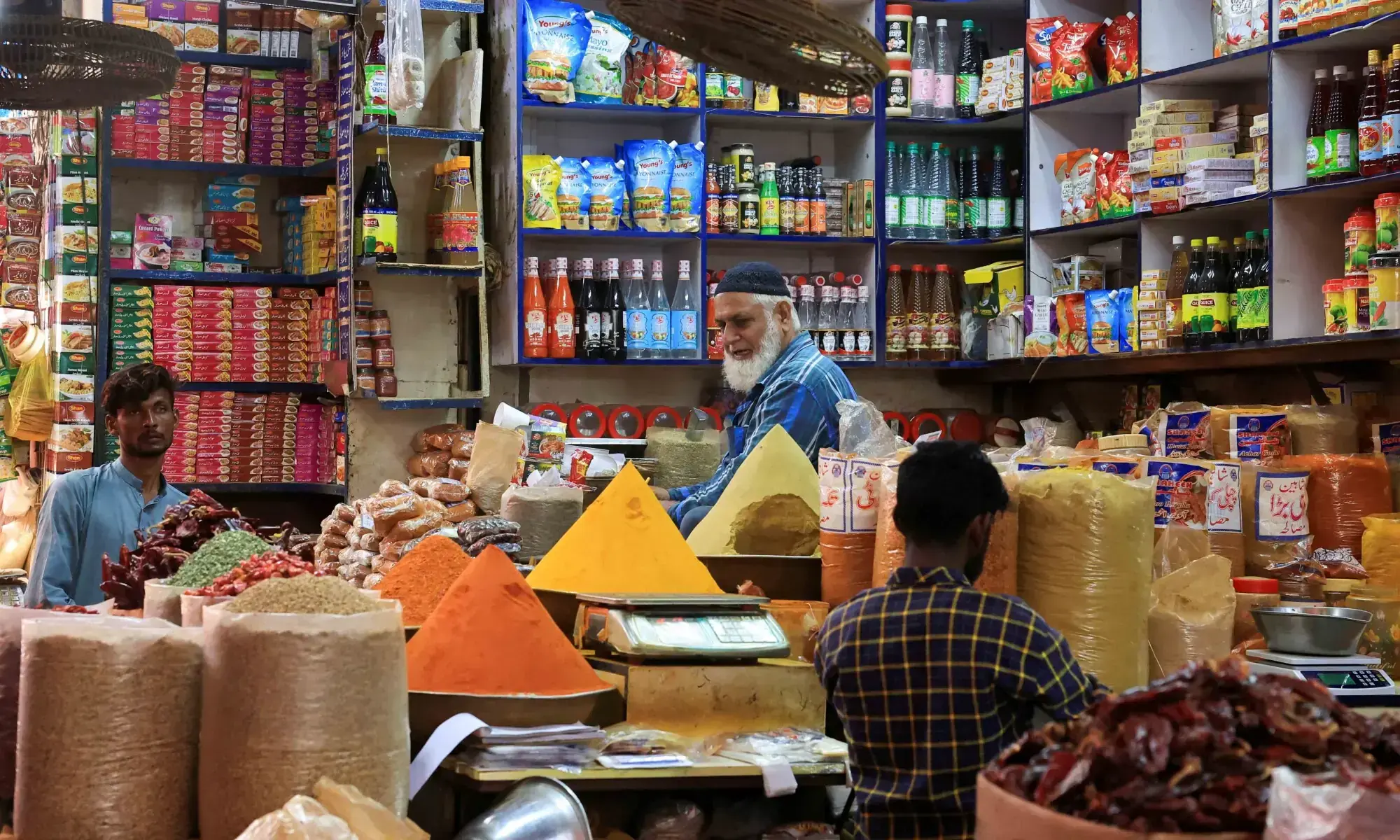
According to the Pakistan Bureau of Statistics (PBS), the country's inflation rate saw a slight decrease in the month of June. The inflation rate dropped from 11.7% to 11.1%. This decline is primarily attributed to the fall in energy and food prices, providing some relief to ordinary citizens.
Pakistan has achieved a major milestone in the agricultural sector by becoming a permanent member of the International Olive Council for the first time. Alongside this, the Government of Pakistan is working with Canada to increase canola cultivation. This initiative aims to reduce the $5 billion burden spent on edible oil imports and boost local production.
On a global level, Pakistan has emphasized the responsible use of Artificial Intelligence (AI) and digital technology to ensure food security. Experts state that the use of modern machinery in agriculture has become a necessity to meet the needs of a growing population. The World Bank has also advised that food insecurity can be overcome and new employment opportunities can be created through better policies and strategic investment.
Despite this positive news, the country still faces some serious challenges. According to a recent report, 40% of children in Pakistan suffer from stunting, leading to a felt need for starting special school meal programs. On the other hand, protests have been observed in areas like Rawalakot over food supply and other administrative issues, which serve as a moment of reflection for the government.
Overall, Pakistan is relying on international cooperation and modern technology to improve its economy and agriculture. If these policies are implemented correctly, it will not only help end the food crisis in the future but also bring economic stability to the country.