Obstacles to Pakistan's Economic Growth: Five Major Challenges
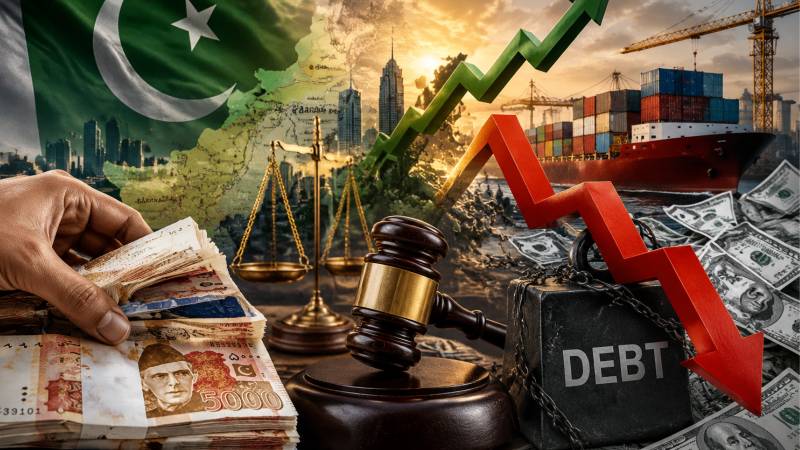
Pakistan is currently facing several significant challenges at the economic and administrative levels. Experts say that there are certain obstacles in the path of the country's development, which are referred to as the 'five traps.' Achieving sustainable economic improvement is a difficult task without addressing these barriers.
Among these issues, the most important is 'short-term thinking.' When policymakers focus on immediate gains rather than long-term plans, it damages the country's infrastructure. This approach promotes favoritism and nepotism instead of merit, which limits development opportunities for the common man.
Another major obstacle is the 'dominance of the elite.' When the country's resources and decision-making are in the hands of a few influential people, free competition is eliminated. In this situation, the reform process slows down, and it becomes impossible for new entrepreneurs or small industries to move forward, which weakens the overall economy.
Pakistan's low productivity is also a serious problem. As long as our industries do not use modern technology and better skills, our exports will not be able to compete in the global market. Low exports mean that the country will continue to face a shortage of foreign exchange, which leads to inflation and external debt.
In summary, addressing these structural issues is inevitable for Pakistan's economic recovery. If merit, transparency, and long-term planning are prioritized in the country, the economy can be steered in a better direction. Overcoming these challenges is the only guarantee for a bright future for Pakistan.