Monsoon Rains in Pakistan: New Threats to Agriculture and Food Security
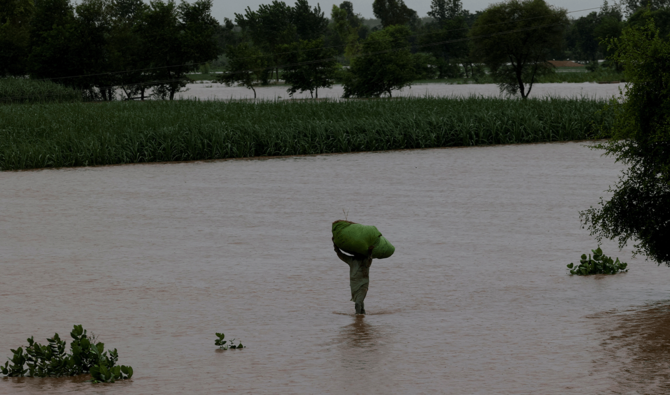
Every year, the monsoon season in Pakistan occurs from June to September. While these rains provide relief from the heat, they also create several major challenges for the country. According to a recent report, this year's monsoon rains could pose a serious threat to Pakistan's agriculture and food security.
During the monsoon, heavy rains often lead to incidents such as flash floods and landslides. Landslides in mountainous regions and flooding in the plains result in not only loss of life but also the destruction of homes. These natural disasters affect the lives of people living in both rural and urban areas every year.
A large part of Pakistan's economy depends on agriculture. Experts have warned that climate change and uncertain rainfall could cause severe damage to crops. If there is excessive rainfall, vital crops like rice and cotton could be destroyed, leading to heavy financial losses for farmers.
These negative impacts on agriculture are directly linked to the country's food supply. When crops are affected, the prices of grains and vegetables in the market increase. In such a situation, obtaining affordable and quality food becomes difficult for ordinary citizens, posing a major challenge to the country's food security.
To tackle these risks, the government and relevant institutions need to take precautionary measures starting now. Citizens should also stay informed about the latest weather conditions so they can protect themselves in case of any emergency. If timely planning is carried out, the losses from the monsoon can be minimized, and agriculture and the economy can be safeguarded.